|
 |
 | | | | | | ||||||||||||||||||||||||||||||||||||||||||||||||||||||||||||||||||||||||||||||||||||||||||||||||||||||||||||||||||||||||||||||||||||||||||||||||||||||||||||||||||||||||||||
| | | You are in: Africa | ||||||||||||||||||||||||||||||||||||||||||||||||||||||||||||||||||||||||||||||||||||||||||||||||||||||||||||||||||||||||||||||||||||||||||||||||||||||||||||||||||||||||||||||
|
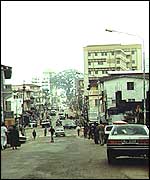
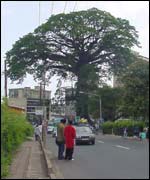
| | Monday, 10 June, 2002, 13:35 GMT 14:35 UK Home, bitter-sweet home Sierra Leoneans are resuming normal lives The BBC's Josephine Hazeley has just returned to Sierra Leone - the land of her birth - after an absence of many years. The breakfast cooked by my mum - fried plantain, fish, oysters and 'arkara', a mixture of black-eyed beans and banana - reminds me I am well and truly home. Home is Freetown, where I was born and bred.
I have interviewed a host of people during the bloody, 10-year conflict, as a producer for the BBC's African Service, based in London. But nothing beats seeing the impact for myself. Some recall their gruesome experience at the hands of the former Revolutionary United Front rebels and former junta forces with tears streaming down their faces, while others fight back tears from their swollen eyes. Recollections of rape and demands for food and money, sometimes millions of Leones, money they did not have. But money, they tell me, their tormentors wanted at all costs. Pain There is nothing like seeing with my own eyes the houses on Freetown streets I used to visit as a young girl. Now burnt down, the homes of friends and family. Sometimes I feel guilty for opening up old wounds. Some people, though, want to talk. I feel their pain.
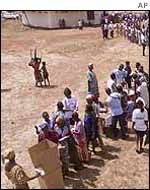
The once beautiful Treasury building left behind from the British colonial era, has been torched and is now an empty shell. I used to accompany my grandmother to that building to collect her pension as a war widow. Her husband had died fighting for the British during one of the world wars. But, despite their suffering, the spirit of the people has not changed. They have just become more alert to political shenanigans. Radio programmes constantly discuss the Universal Declaration of Human Rights and the African Charter of Human and Peoples' Rights. Apparent freedom There was nothing of the sort when I last lived here in 1983. In fact, you dared not criticise. I was proud to tune into radio and TV stations, both government and private, to hear debates and phone-ins on the 14 May 2002 elections. The air of apparent freedom hit me when, on my arrival in Freetown some 10 days before, two of my compatriots freely spoke about the political situation in the country.
I listened, amazed, as they explained the fortunes of the political parties and the freedom they now enjoyed. I was told of husband and wife supporting different parties, teasing each other about their chances and still sleeping in the same bed at night. Office workers did the same and remained friends. This is new. Previously, suspicion reigned supreme and telling tales was the order of the day. Illegal constructions Freetown is expanding. Thousands more live in the capital, many displaced by war. Children, some as young as four, roam the streets at night, a disturbing development. Child street hawkers, selling ice-cold water or home-made ginger beer, are a feature of major junctions.
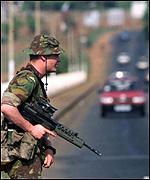
The thick vegetation I left behind on the hills overlooking Freetown is becoming red earth. Homes, some large modern buildings as well as corrugated shacks, are being built illegally on these once luscious hills. Brit mania There are also hundreds more prostitutes, lured to the lovely beaches, not by tourists - there are not yet enough in Freetown - but by the huge donor community and non-governmental organisations. There is also the UN peacekeeping force, Unamsil, at nearly 17,500 people, the largest of its kind in the world. Those four-wheel drives are a new sight for me on the streets of Freetown, some upgraded, others as potholed as ever. One name on everyone's lips is the British. People love them for helping scare off the rebels.
They love them for training the soldiers of the Sierra Leone military, some of whom, instead of protecting civilians in 1997, turned against them when they refused to support their coup against the incumbent, and just re-elected, president, Ahmad Tejan Kabbah. The names of Clare Short and her British Department for International Development, DFID, are spoken of as if they were part of the Sierra Leone Government. Who can blame people for that? DFID has funded the renovation of the now imposing Law Courts. Hopefully they dispense justice more swiftly than when I was last here. DFID has helped finance the new Anti-Corruption Commission. Corruption, which is chiefly responsible for the underdevelopment of the country. DFID is building two-bedroom flats to house the displaced around the country, but it benefits too. Religious boom With the most violence-free elections held in Sierra Leone now over, the British Government can hold Sierra Leone up as a foreign policy success. Before I left, Freetown was in the bosom of China, North Korea and the then USSR, copying their totalitarian one-party system. Churchgoing is now a national pastime. Many churches, some makeshift buildings erected on the ruins of houses, bellow out hymns day and night. Even my uncle, who was not especially religious as a young man, takes an active part in services. The people of Freetown were indeed religious, but it seems the effects of the war have made them even more so. 'Praise the Lord' and 'Thanks be to God because we are not better than those who died' are part of the everyday vocabulary. | |
See also:  20 May 02 | Africa 10 May 02 | Africa 11 May 02 | Africa 09 Apr 02 | Africa 28 Mar 02 | Africa 12 May 00 | Africa 20 May 02 | Africa Internet links: The BBC is not responsible for the content of external internet sites Top Africa stories now: Links to more Africa stories are at the foot of the page. | ||||||||||||||||||||||||||||||||||||||||||||||||||||||||||||||||||||||||||||||||||||||||||||||||||||||||||||||||||||||||||||||||||||||||||||||||||||||||||||||||||||||||||||
| |
|  E-mail this story to a friend E-mail this story to a friend |
| |
| Links to more Africa stories |
| | | ||
 | ||||
 | | Back to top
| ||
| ---------------------------------------------------------------------------------- To BBC Sport>> | To BBC Weather>> | To BBC World Service>> ---------------------------------------------------------------------------------- © MMIII | News Sources | Privacy |