|
 |
 | | | | | | ||||||||||||||||||||||||||||||||||||||||||||||||||||||||||||||||||||||||||||||||||||||||||||||||||||||||||||||||||||||||||||||||||||||||||||||||||||||||||||||||
| | | You are in: Africa | ||||||||||||||||||||||||||||||||||||||||||||||||||||||||||||||||||||||||||||||||||||||||||||||||||||||||||||||||||||||||||||||||||||||||||||||||||||||||||||||||||
|
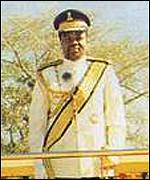
| | Thursday, 6 June, 2002, 16:32 GMT 17:32 UK Swazi lawyers sue king's regime Pro-democracy movements have found ways of expressing themselves Lawyers in Swaziland have lodged a complaint with the Organisation of African Unity (OAU) against the human rights record of King Mswati's regime. "The government should prepare itself to go and explain... why there is blatant disregard for the basic and fundamental rights of citizens," a representative for the lawyers told French news agency AFP.
The bill, which is certain to be passed, with no opposition in parliament, states that any person carrying the banner of a political formation will be fined 2,000 lilangeni ($206) or jailed for two years. The Lawyers for Human Rights in Swaziland (LHRS), who waited until Thursday to announce that they had taken legal action against the authorities on 3 May, might have been prompted by the announcement of the Internal Security Bill. 'Flouted rights' The secretary general of the LHRS, Thulani Maseko, said that his organisation had approached the OAU after Swazi police rejected court orders to promote rights. Mr Maseko said that although Swaziland had ratified the African Charter on Human and People's Rights in 1995, it had flouted those rights. The bill introduced by King Mswati III is unlikely to alleviate the lawyers' grievances.
The law makes provision for a year's imprisonment for anyone inciting to strikes and boycotts. Swazi nationals attending revolutionary training abroad to commit acts of insurgency, banditry or sabotage face 20-year jail sentences. The leader of the People's United Democratic Movement, Bonginkosi Dlamini, condemned the bill as "draconian". "Swaziland has reached a point of no return," he told AFP. 'Butterflies' The bill was also condemned by the secretary general of the Swaziland Federation of Trade Unions, Jan Sithole. "Butterflies are already flying in my stomach... This is worse than the king's proclamation of 12 April 1973 that bans party politics in Swaziland," he told AFP. "This bill will give police more power to become a law unto themselves, it will also affect freedom of the press," he said. Criticism of the monarchy is banned in Swaziland, and the media practise self-censorship. The OAU'S African Commission on Human and People's Rights will discuss the Swazi lawyers' complaint in Banjul, Gambia, in October. | | See also:  06 Feb 02 | Africa 04 Feb 02 | Africa 04 Feb 02 | Africa 04 Dec 01 | Africa 03 Jun 02 | Africa 12 Dec 01 | Africa 19 Oct 01 | Africa 26 Jul 01 | Country profiles Internet links: The BBC is not responsible for the content of external internet sites Top Africa stories now: Links to more Africa stories are at the foot of the page. | ||||||||||||||||||||||||||||||||||||||||||||||||||||||||||||||||||||||||||||||||||||||||||||||||||||||||||||||||||||||||||||||||||||||||||||||||||||||||||||||||
| |
|  E-mail this story to a friend E-mail this story to a friend |
| |
| Links to more Africa stories |
| | | ||
 | ||||
 | | Back to top
| ||
| ---------------------------------------------------------------------------------- To BBC Sport>> | To BBC Weather>> | To BBC World Service>> ---------------------------------------------------------------------------------- © MMIII | News Sources | Privacy |