|
 |
 | | | | | | ||||||||||||||||||||||||||||||||||||||||||||||||||||||||||||||||||||||||||||||||||||||||||||||||||||||||||||||||||||||||||||||||||||||||||||||||||||||||||||||||||||||||||||||||||||||||||||||||||||||||
| | | You are in: Africa | ||||||||||||||||||||||||||||||||||||||||||||||||||||||||||||||||||||||||||||||||||||||||||||||||||||||||||||||||||||||||||||||||||||||||||||||||||||||||||||||||||||||||||||||||||||||||||||||||||||||||||
|
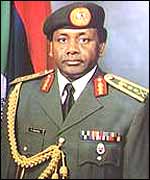
| | Tuesday, 21 May, 2002, 17:12 GMT 18:12 UK Nigerian rights probe presented The army is still a force to be feared in Nigerian politics
The Nigerian Human Rights Commission has presented its final report to the country's President, Olusegun Obasanjo. It follows the most comprehensive investigation into human-rights violations ever carried out in Nigeria.
Although the recommendations in the report are still not published, the chairman of the investigations panel, Justice Chukwudifu Oputa, says reconciliation and forgiveness must take precedence over punishment for wrongs committed. For over a year, the Oputa panel sat and listened to testimony of alleged human-rights abuses. Broadcast live on national television, the hearings kept Nigerians enthralled. 'Witch-hunt' Over 2,000 witnesses attended the hearings and the vast majority came voluntarily to speak for the first time of the alleged crimes committed against themselves or their people. Others were called to answer allegations made against them. President Obasanjo himself appeared before the panel twice to answer questions about his period as a military leader in the late 1970s.
But other former military heads of state refused. One went as far as to call it a "witch-hunt". The final report handed over to President Obasanjo is certainly comprehensive: eight volumes of testimony and a further volume of recommendations for action. It is not the testimony that is of so much interest, as all of it is already in the public domain. It is rather the unpublished recommendations that are most keenly awaited. Forgiveness Speaking at the handing-over ceremony, the chairman of the panel, Justice Oputa, refused to be drawn on the details but said that a key element of the recommendations was that of forgiveness. He said without forgiveness, Nigerians would continue to punish themselves for the mistakes of the past. He added that there would also be recommendations for the government to pay some form of compensation for those that had suffered the worst human-rights abuses. Mr Obasanjo says he will carefully study the report and is expected to make them public, along with his own reactions, in a speech to the nation in a week's time. | |
See also:  27 Nov 01 | Africa 16 Mar 01 | Africa 24 Oct 01 | Africa 24 Oct 01 | Africa 29 May 99 | Africa 07 Sep 01 | Country profiles Internet links: The BBC is not responsible for the content of external internet sites Top Africa stories now: Links to more Africa stories are at the foot of the page. | ||||||||||||||||||||||||||||||||||||||||||||||||||||||||||||||||||||||||||||||||||||||||||||||||||||||||||||||||||||||||||||||||||||||||||||||||||||||||||||||||||||||||||||||||||||||||||||||||||||||||
| |
|  E-mail this story to a friend E-mail this story to a friend |
| |
| Links to more Africa stories |
| | | ||
 | ||||
 | | Back to top
| ||
| ---------------------------------------------------------------------------------- To BBC Sport>> | To BBC Weather>> | To BBC World Service>> ---------------------------------------------------------------------------------- © MMIII | News Sources | Privacy |