
|
 |
 | | | | | | |||||||||||||||||||||||||||||||||||||||||||||||||||||||||||||||||||||||||||||||||||||||||||||||||||||||||||||||||||||||
| | | You are in: UK: Wales | |||||||||||||||||||||||||||||||||||||||||||||||||||||||||||||||||||||||||||||||||||||||||||||||||||||||||||||||||||||||||
|
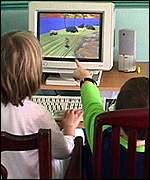
| | Friday, 14 February, 2003, 14:21 GMT Radical change in child education  There are plans for changes in the way children learn Plans to radically change the way the youngest children are taught in Wales are being put out to formal consultation. The Welsh Assembly Government wants to scrap the existing system, where children begin formal education on their fifth birthday, and replace it with a more informal, play-based system.
The aim is to see a significant change in the way children aged from three to seven are educated. There is a concern that very young children are being introduced to reading and writing too soon. The result, in some cases, is that they lose confidence and reject education altogether. Some research has suggested that children do not begin to benefit from extensive formal teaching until about six or seven years old. Process begins Studies have shown that children are given too many tasks to do while sitting at tables, when they would be better off learning through well-structured play, practical activity, and investigation. Some sessions have been found to be too long for young people to maintain concentration, while classrooms have been criticised for not providing enough opportunities for practical activities and well-supported play.
The consultation process in relation to the assembly's plans begins on Wednesday. If the proposals get the go-ahead, a so-called foundation phase will see much of that formal learning replaced by what has being described as well-structured play, practical activity and investigation. New systems would be tailored to suit the needs of young people, whilst complementing and promoting learning at Key Stage 2. The consultation has been welcomed by the National Association of Head Teachers, which says the present curriculum has been overloaded. Speaking at the formal launch of the consultation, Education Minister Jane Davidson said countries which outperformed Wales educationally had better early years provision. According to the minister, they had batter literacy and numeracy rates at the age of 11 and better rates of 16 and 17-year-olds staying on at school.
"[They are] focusing on how to encourage children's learning, not just putting them in a classroom," she said. "The best practice in early years education provides a good basis on which to build, but not enough children in Key Stage One (age five to seven) benefit from it. Centres "Educators have long argued that the years before formal schooling are critically important to a child's development. "The stimulation a child receives in their early years can affect their abilities and potential throughout life. "So we must get it right," she added. The assembly is committed to providing a half-time assembly funded place for all three-year-olds from September 2004. Ms Davidson said that was when the new agenda would begin. Eleven integrated centres, designed to bring together four elements of early years learning - wrap around care, open access play, training and development - were also announced. The first two will open in March, in Conwy and Flintshire. | |
See also:  24 Dec 02 | Education 22 Apr 02 | Wales 12 Dec 00 | Education 24 Jul 01 | Education 27 Sep 00 | Labour 19 May 01 | Scotland 12 Feb 03 | Wales Internet links: The BBC is not responsible for the content of external internet sites Top Wales stories now: Links to more Wales stories are at the foot of the page. | |||||||||||||||||||||||||||||||||||||||||||||||||||||||||||||||||||||||||||||||||||||||||||||||||||||||||||||||||||||||
|  |
|  E-mail this story to a friend E-mail this story to a friend |
 | |
| Links to more Wales stories |
| | | ||
 | ||||
 | | Back to top
| ||
| ---------------------------------------------------------------------------------- To BBC Sport>> | To BBC Weather>> | To BBC World Service>> ---------------------------------------------------------------------------------- © MMIII | News Sources | Privacy |




 The stimulation a child receives in their early years can affect their abilities and potential throughout life

