|
 |
 | | | | | | |||||||||||||||||||||||||||||||||||||||||||||||||||||||||||||||||||||||||||||||||||||||
| | | You are in: UK: Wales | |||||||||||||||||||||||||||||||||||||||||||||||||||||||||||||||||||||||||||||||||||||||||
|
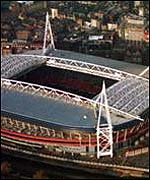
| | Monday, 2 December, 2002, 12:30 GMT Tough decisions for new rugby chief 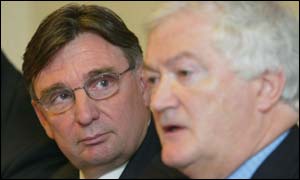 Moffett has criticised bureaucracy in British sport The new head of the Welsh Rugby Union has said he will waste little time in implementing initiatives aimed at improving the state of the game. David Moffett, the former head of Sport England and New Zealand Rugby Football Union, has become the first group chief executive of the WRU, taking home �200,000 a year. Just hours into the job, Mr Moffett announced he planned to scrap the existing pitch system at Cardiff's Millennium Stadium following widespread criticism after the recent internationals. The present system uses individual pallets which can be removed for events like concerts and speedway competitions. He told BBC Radio Wales the system did not work.
"We're going to have to lay a normal pitch albeit that is going to have to be replaced two or three times a year. "But I think once we can get to that, we can make sure the pitch is good all the time." For the time being, the WRU said the existing pallet-based system would continue. A new pitch, costing about �180,000, would be laid on top of the pallets for cricket exhibition matches in January, the Six Nations championships and the Wales-Azerbaijan European football qualifier. Pain Fifty-five year old David Moffett was born in Doncaster but emigrated to Australia as a child. Now he has pledged to reverse the ailing fortunes of Wales national side and put it at the forefront of world rugby. He said his priorities are to increase funding and boost the numbers of people playing the game. But he warned changes to the structure of rugby in Wales would not come smoothly.
"The WRU is going to go through a lot of change as well because one of my first tasks is to restructure the WRU. "There's going to be a few redundancies, there's going to be an interest in getting our costs under control so we can look at the whole of Welsh rugby. "We have the requirements of the Premier League but we also have the issue of the grassroots of rugby in Wales. "If you don't fix the grassroots, then we haven't got a future in the game." Pay Mr Moffett said no player in the lower divisions of the league should be paid, and said there were probably no more than 150 players in Wales who should get wages for playing the game. "We're currently discussing whether players should be contracted to the union, the clubs or a combination of both," he revealed. The WRU will also look at the thorny issue of whether to reorganise sides into regional teams rather than clubs. He said the practice had paid dividends in New Zealand for the national side, where he had been in charge of overseeing the switch. "What we want to do is put in place a system that is going to allow [the national team] to play to high standards week in, week out," he said. He also appeared to sound the death knell for the old style of WRU organisation, saying: "Gone are the days of committees running the day-to-day business of the WRU."  WRU group chief executive David Moffett answered BBC News Online readers' questions on the future of Welsh rugby...  Howard Jones, Wales A: "There are short-term and long-term solutions. In the short-term, there will be a brand-new pitch for the Six Nations which is of the type used for FA Cup Finals in the past. In the long term, there will probably be a review and replacement of the pallet system." Dean Bainbridge, Wales A: "The post is not an advisory one. It is a hands-on role, as is any CEO in a business environment. The role is in formulating and implementing policy." Mark Davies, Wales A: "The issue that we have to come to grips with is putting Welsh rugby first. Everybody has to ask what is in the best interests of Welsh rugby." Michael L, Wales A: "Because we are developing a new structure with a board, decisions won't be made by committees - that is the past, what I am trying to achieve is the future." Richard Davies, Wales A: "Market forces will ultimately dictate contracts - as the game is currently structured and administered, we just can't afford it." Vince Harris, Wales A: "It would be a huge benefit because it would concentrate our resources. We have to realise that the small pool of players that we have can't sustain the competitive level of rugby we need." | | See also:  24 Nov 02 | International 01 Nov 02 | International 01 Nov 02 | International 30 Nov 02 | Celtic 06 Nov 02 | Wales Top Wales stories now: Links to more Wales stories are at the foot of the page. | |||||||||||||||||||||||||||||||||||||||||||||||||||||||||||||||||||||||||||||||||||||||
| |
|  E-mail this story to a friend E-mail this story to a friend |
| |
| Links to more Wales stories |
| | | ||
 | ||||
 | | Back to top
| ||
| ---------------------------------------------------------------------------------- To BBC Sport>> | To BBC Weather>> | To BBC World Service>> ---------------------------------------------------------------------------------- © MMIII | News Sources | Privacy |