|
 |
 | | | | | | |||||||||||||||||||||||||||||||||||||||||||||||||||||||||||||||||||||||||||||||||||||||
| | | You are in: UK: Wales | |||||||||||||||||||||||||||||||||||||||||||||||||||||||||||||||||||||||||||||||||||||||||
|
| | Saturday, 28 September, 2002, 14:23 GMT 15:23 UK Scientists back marine research plans 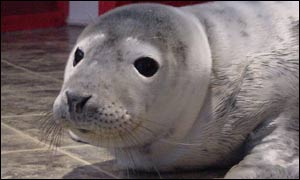 The Pembrokeshire coast has a large seal colony Plans for an innovative research centre to study marine life in Pembrokeshire have been put forward. Marine scientists, involved in the BBC series Blue Planet, which uncovered life under the waves, are supporting the Darwin Centre for Biology and Medicine's proposals to set up the project.
Experts in marine life believe that the coast around Pembrokeshire is one of the best places to study aquatic creatures. Professor Anthony Campbell, director of the Darwin Centre, said: "When we take young people and adults out on the beaches of Pembrokeshire, we get them curious first. "We try to take natural history into natural science in the great Darwin tradition. "Darwin had some wonderful links with Pembrokeshire," he added. The Darwin Centre has recently been awarded funding to look at establishing a marine research station in the area.
The organisation wants the proposed centre to become internationally competitive. It has plans to become a flagship project in research and development, education and innovation. Professor Peter Herring, who worked on the Blue Planet series, said that many of the strange creatures seen on the series could be found in Pembrokeshire. "You will see some things that are very closely related to what you saw on the Blue Planet programmes," said Professor Herring. "There are animals like that relatively close in-shore in Pembrokeshire. "But you really have to go out into the deeper oceans to see them at their best," he added. The area already has one of the largest seal populations in Britain. Volunteer organisations helping to protect the colony and other marine species could benefit from the project if it gets the go ahead. | |   See also: 27 Aug 02 | Science/Nature 19 Feb 01 | Entertainment 21 Sep 02 | Wales 21 May 02 | Wales 02 Aug 02 | Wales Internet links: The BBC is not responsible for the content of external internet sites Top Wales stories now: Links to more Wales stories are at the foot of the page. | |||||||||||||||||||||||||||||||||||||||||||||||||||||||||||||||||||||||||||||||||||||||
| |
|  E-mail this story to a friend E-mail this story to a friend |
| |
| Links to more Wales stories |
| | | ||
 | ||||
 | | Back to top
| ||
| ---------------------------------------------------------------------------------- To BBC Sport>> | To BBC Weather>> | To BBC World Service>> ---------------------------------------------------------------------------------- © MMIII | News Sources | Privacy |