|
 |
 | | | | | | ||||||||||||||||||||||||||||||||||||||||||||||||||||||||||||||||||||||||||||||||||||||
| | | You are in: UK: Scotland | ||||||||||||||||||||||||||||||||||||||||||||||||||||||||||||||||||||||||||||||||||||||||
|
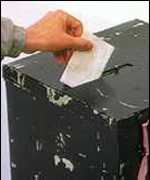
| | Sunday, 12 January, 2003, 13:55 GMT McConnell fears low poll turnout  Jack McConnell was speaking to BBC Radio Five Live The credibility of the Scottish Parliament would be damaged by a low turnout at May's election, First Minister Jack McConnell has warned. He said the public's perception of bickering between MSPs and political parties during Holyrood debates could put voters off. Mr McConnell spoke out as the parliament's Presiding Officer, Sir David Steel called for changes in the devolved body's rules to force ministers to answer questions clearly. Speaking on BBC Radio Five Live, he said: "If we've demanded a parliament for close on to a hundred years and then Scots don't turn out to vote in the second election then I think at home and abroad people are going to say: 'What was all the fuss was about?'
"I think when the parliament was created people thought there would be a more positive atmosphere and what they see most of the time is a lot of negative sniping in party politics in the chamber and the parliament. "That is turning off voters in Scotland and could lead to a reduced turnout in May if the opposition parties don't stop it." Speaking about perceptions of Scottish politics, Mr McConnell denied the resignation of his predecessor or a police probe into his constituency accounts had a negative impact, saying the issues were not linked to Holyrood. 'Discontent' But he admitted the focus of the Scottish Executive in its first years had not always been seen to tackle significant issues. He said: "I think what was wrong with the first couple of years of the parliament was there was far too much digression into issues that were not seen to be mainstream. "But also there were far too many announcements, far too many targets and far too many publicity exercises and not enough hard grind on the kind of issues that mattered to people."
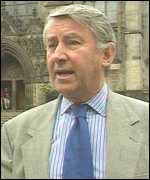
Sir David, who retires later this year, wants his successor to have more power to stop ministers avoiding questions, and even to rule irrelevant asides or ironic quips out of order, according to the Sunday Herald newspaper. In a letter to Holyrood's Procedures Committee, Sir David suggests it should consider allowing the Presiding Officer to rein in ministers who stray from the point of what they have been asked in future. He proposes a rule similar to that in New Zealand, where the parliament's speaker can and often does intervene on minister's responses if they wander off the point of the question. He said: "The length and relevance of ministerial answers, at both question time and First Ministerial question time, has sometimes given rise to discontent among members. At present, I am powerless to intervene." | | See also:  18 Apr 02 | Scotland 10 Dec 02 | Scotland 04 Sep 02 | Scotland 20 Nov 01 | Scotland 24 Jul 01 | Scotland Internet links: The BBC is not responsible for the content of external internet sites Top Scotland stories now: Links to more Scotland stories are at the foot of the page. | ||||||||||||||||||||||||||||||||||||||||||||||||||||||||||||||||||||||||||||||||||||||
 | |
|  E-mail this story to a friend E-mail this story to a friend |
| |
| Links to more Scotland stories |
| | | ||
 | ||||
 | | Back to top
| ||
| ---------------------------------------------------------------------------------- To BBC Sport>> | To BBC Weather>> | To BBC World Service>> ---------------------------------------------------------------------------------- © MMIII | News Sources | Privacy |