|
 |
 | | | | | | |||||||||||||||||||||||||||||||||||||||||||||||||||||||||||||||||||||||||||||||||||||||||||||||||||||||||||||||||||||||||||||
| | | You are in: UK: Scotland | |||||||||||||||||||||||||||||||||||||||||||||||||||||||||||||||||||||||||||||||||||||||||||||||||||||||||||||||||||||||||||||||
|
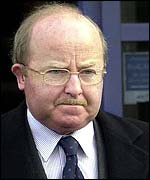
| | Monday, 23 December, 2002, 10:35 GMT Fishermen 'bearing brunt' of cuts  Scotland's fishing industry is said to be in danger European Commission scientists have been accused of playing with Scotland's fishing jobs following the deal to cut white fish catches. Willie Hay, honorary president of the Scottish Fishermen's Federation (SFF), said the quota cuts would be "near impossible to work with". He said Scotland's fishermen had "bent over backwards" to preserve fish stocks in the North Sea, but he did not advocate fishermen blockading ports in protest. The deal struck in Brussels will restrict vessels to 15 days at sea each month.
There will also be a 45% cut in cod quotas, a 50% reduction in haddock catches and a 60% cut in whiting catches. Ross Finnie, Scotland's fisheries minister, said he had done all in his power to avert the cuts, but also pointed out that scientists had proposed a complete ban. Speaking on BBC Radio's Good Morning Scotland programme, Mr Hay said fishermen were devastated by the cuts. He said: "Scottish fishermen have bent over backwards over the past two or three years to try and conserve fish in the North Sea. 'Out to sea' "And they have maybe done more than I would have done if I was a fisherman." Mr Hay said he was not absolving fishermen of all blame over dwindling white fish numbers, but he stressed fishermen only had a part to play in the bigger picture. Global warming and industrial pollution also had to be taken into account, he added. Mr Hay said he would not advocate fishermen taking part in a blockade to register their protest. He said: "Blockades are not easy and you need every fisherman 100% on side to have one. We certainly don't have the strength of fleet now to blockade ports.
"What you are doing if you block ports, as far as I see, is tying your boats up and that's what the commission wants you to do. "There must be other ways of doing it whether it's legal or talking to the government, or even going to sea. I'm not telling fishermen not to go out to sea." Mr Finnie moved to reassure fishing communities that he did all he could to avert the quota cuts. He said ministers faced an "enormous, uphill struggle" during negotiations. He said: "We faced a proposition of total closure, we then moved to seven days and a 65% cut and I don't think any of us got great satisfaction from having to claw back from an impossible situation." 'Final solution' The minister said some member states supported total closure, with Germany being the most "vociferous" in its call for a ban. Some countries felt the measures were not draconian but justified, he went on. Mr Finnie said the real problem was the EC's decision to use cod and cod-related catches as the focal point for the discussions and were intent on being "pretty severe". "Given that we have by far and away the largest cod related catches, we were right in the firing line." He said Monday's talks would discuss the implications of the cuts and begin a process to see where Scotland's fishing communities went next. "I don't expect today's meeting to come up with a final solution," he added. | |
See also:  23 Dec 02 | Scotland Internet links: The BBC is not responsible for the content of external internet sites Top Scotland stories now: Links to more Scotland stories are at the foot of the page. | |||||||||||||||||||||||||||||||||||||||||||||||||||||||||||||||||||||||||||||||||||||||||||||||||||||||||||||||||||||||||||||
 | |
|  E-mail this story to a friend E-mail this story to a friend |
| |
| Links to more Scotland stories |
| | | ||
 | ||||
 | | Back to top
| ||
| ---------------------------------------------------------------------------------- To BBC Sport>> | To BBC Weather>> | To BBC World Service>> ---------------------------------------------------------------------------------- © MMIII | News Sources | Privacy |




 What you are doing if you block ports, as far as I see, is tying your boats up and that's what the commission wants you to do