|
 |
 | | | | | | |||||||||||||||||||||||||||||||||||||||||||||||||||||||||||||||||||||||||||||||||||||||||||||||||
| | | You are in: UK: Scotland | |||||||||||||||||||||||||||||||||||||||||||||||||||||||||||||||||||||||||||||||||||||||||||||||||||
|
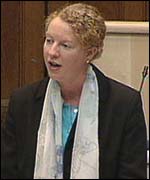
| | Tuesday, 3 December, 2002, 11:43 GMT Refugee report 'grim reading' 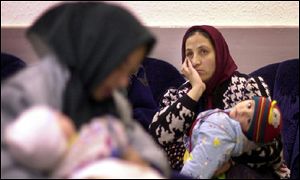 The findings show that refugee women feel isolated People in Scotland are being urged to be more tolerant towards refugees and asylum seekers following the disturbing findings of a new report. Refugee Action said asylum seeking women and children across the UK often felt isolated and faced constant abuse. Shona Robison, chairwoman of the Scottish Parliament's cross-party group on refugees, said the report made "grim reading". "A small minority make people's lives a misery and the rest of the population have a responsibility to challenge those attitudes," she said.
The women told the BBC's Good Morning Scotland programme that they had had stones thrown at them by adults and children living nearby. They had also been spat at and verbally abused. Wofa said the situation was so bad that she could not take her children to the park. "The parks around here, it's as if they don't exist to us. We can't use them, my kids can't go there. They have been attacked several times." Water balloons Zara spoke of teenage girls on her estate who threw water balloons at her during the summer and laughed at her. She said her teenage daughter is called "nigger" at school. Refugee Action carried out in-depth interviews with women from a spread of countries including Somalia, Afghanistan, Iran, Kurdish areas of Turkey and Burundi.
Ms Robison said to some extent, the media had influenced people's attitudes to asylum seekers. "I think the media portrayed Kosovan refugees as deserving, that we should support them, and the message came across, people were very welcoming." "But I think since the media's portrayal of asylum seekers has changed, it is no coincidence that people's attitudes have changed. "The key issue is we need to change attitudes and try to further people's understandings." Separate education One way of changing attitudes, she said, was by rejecting segregated education introduced by the nationality bill recently passed at Westminster. She said: "That will lead to children being educated separately with asylum seeking youngsters educated in accommodation centres instead of schools. "Asylum seeking children sitting along side Scottish children is how you change attitudes, by growing up together and seeing that there are basically no differences." | |
See also:  03 Dec 02 | Scotland 30 Nov 02 | Scotland 01 Aug 02 | Scotland 14 Dec 01 | Scotland Internet links: The BBC is not responsible for the content of external internet sites Top Scotland stories now: Links to more Scotland stories are at the foot of the page. | |||||||||||||||||||||||||||||||||||||||||||||||||||||||||||||||||||||||||||||||||||||||||||||||||
| |
|  E-mail this story to a friend E-mail this story to a friend |
| |
| Links to more Scotland stories |
| | | ||
 | ||||
 | | Back to top
| ||
| ---------------------------------------------------------------------------------- To BBC Sport>> | To BBC Weather>> | To BBC World Service>> ---------------------------------------------------------------------------------- © MMIII | News Sources | Privacy |