|
 |
 | | | | | | |||||||||||||||||||||||||||||||||||||||||||||||||||||||||||||||||||||||||||||||||||||||||||||||||||||||||||||||||||||||
| | | You are in: UK: Scotland | |||||||||||||||||||||||||||||||||||||||||||||||||||||||||||||||||||||||||||||||||||||||||||||||||||||||||||||||||||||||||
|
| | Friday, 29 November, 2002, 15:30 GMT Youth crime policy examined  Scotland's youth justice system has been criticised An expert panel is examining the role of Children's Hearings as part of a broader study into youth crime in Scotland. The panel includes childcare, law, and social welfare experts who will offer advice and submit a report to the Scottish Parliament by autumn 2003. During the course of its work, the group will take evidence from police, Children's Panel members, politicians and young people. Children's charity NCH Scotland said the justice system needed a "searching examination".
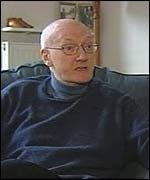
Children's Hearings comprise three people, one of whom is the chairperson, who have received specialist training. The decision to send a child to a Children's Hearing is made by the children's reporter. A background report will have been prepared and the parents of the child usually accompany them. Children's Hearings can decide if a compulsory guidance help, care or control is needed. Emotive subject They may also make a supervision requirement with the condition that a child lives away from home for a time, perhaps with a relative, or in a children's home, foster home or residential school. Richard Holloway, the former Bishop of Edinburgh and the inquiry chairman, said the creation of the parliament had helped to scrutinise institutions. He said: "The Children's Hearings are one of the institutions that have come under some fire. "I think that what Scotland does about the question of young people in trouble and youth crime is a very important one that will be a huge test of the parliament.
"I hope this inquiry will play a very positive role in helping the parliament act with integrity and in the interests of Scotland's children and young people." NCH Scotland's Maggie Mellon said: "The Kilbrandon Report which established the Children's Hearings system in the 1960s recognised that the needs of young people in trouble cannot be separated from their deeds. "However, more recently the hearings have come in for criticism and questions have been asked about their ability in dealing effectively with young people who offend. "We believe that the principles of the Kilbrandon Report still hold good but think it is important to put them to the test again in this new century." Youth justice was an emotive and complex subject, she added. "It would be a tragedy if Scotland was to adopt simple solutions out of a need to be seen to be doing something about the problem, which is one of the most difficult issues facing us today." | |
See also:  15 Nov 02 | Scotland 18 Oct 02 | Scotland 27 Jun 02 | Scotland 13 Jun 02 | Scotland Internet links: The BBC is not responsible for the content of external internet sites Top Scotland stories now: Links to more Scotland stories are at the foot of the page. | |||||||||||||||||||||||||||||||||||||||||||||||||||||||||||||||||||||||||||||||||||||||||||||||||||||||||||||||||||||||
| |
|  E-mail this story to a friend E-mail this story to a friend |
| |
| Links to more Scotland stories |
| | | ||
 | ||||
 | | Back to top
| ||
| ---------------------------------------------------------------------------------- To BBC Sport>> | To BBC Weather>> | To BBC World Service>> ---------------------------------------------------------------------------------- © MMIII | News Sources | Privacy |