|
 |
 | | | | | | |||||||||||||||||||||||||||||||||||||||||||||||||||||||||||||||||||||||||||||||||||||||||||||||||||||||||||||||||||||||||||||||||
| | | You are in: UK: Scotland | |||||||||||||||||||||||||||||||||||||||||||||||||||||||||||||||||||||||||||||||||||||||||||||||||||||||||||||||||||||||||||||||||||
|
| | Monday, 11 November, 2002, 14:32 GMT New deal to protect PPP staff 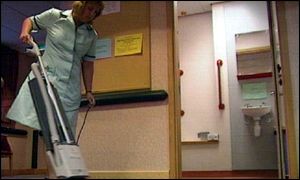 Staff will be given greater legal protection Scotland's finance minister has confirmed the end of "two-tier workforces" under public private partnerships (PPP). Andy Kerr outlined details of the "protocol" for new PPPs at a conference in Glasgow. The agreement will apply to all future deals, but will not be "backdated" to cover existing schemes. PPPs allow cash from private firms to be brought into public sector projects such as refurbishing or building new schools and hospitals. The agreement between ministers and the unions was reached after talks which began when First Minister Jack McConnell signed a "memorandum of understanding" with David Bleiman, president of the Scottish Trade Union Congress in April.
Unions have complained that private sector involvement in public services has resulted in poor conditions for workers. Workers employed after PPPs have been set up have been less well paid than colleagues whose original terms of employment, initially agreed under the public sector, are protected after the private contractor becomes their new employer. Last month a report by MSPs endorsed the use of PPPs. However, the MSPs called for the workers to be given greater protection. The Scottish Conservatives said the agreement was a "pre-election sop to the trades unions". A spokesman said: "The executive is starting down a tricky road. "This could end up undermining the basic principle of the PPP scheme which is to save tax-payers' money."
The Director of CBI Scotland, Iain McMillan, said the agreement was only likely to affect future PPP schemes at the margins. Mr McMillan said: "I think this is unlikely to deter companies from bidding to get involved. "Private enterprise will continue to bring economies of scale and sound management to public projects." The protocol, which takes effect immediately, will require public bodies to insist in contract specifications for new PPPs that a successful bidder will provide equal terms of employment for new staff to those guaranteed for workers transferring from the public sector. A Scottish Executive spokeswoman confirmed details of the new agreement have been sent to councils and health boards. STUC deputy general secretary Graham Smith, who was involved in the negotiations, said unions remained opposed to PPPs, but added: "The agreement is a significant step forward for public sector workers in Scotland, and certainly exceeds anything currently existing in the rest of the UK." | |
See also:  02 Oct 02 | Scotland 20 Aug 02 | Scotland 09 Aug 02 | Scotland 15 Apr 02 | Scotland 20 Nov 01 | Scotland Internet links: The BBC is not responsible for the content of external internet sites Top Scotland stories now: Links to more Scotland stories are at the foot of the page. | |||||||||||||||||||||||||||||||||||||||||||||||||||||||||||||||||||||||||||||||||||||||||||||||||||||||||||||||||||||||||||||||||
| |
|  E-mail this story to a friend E-mail this story to a friend |
| |
| Links to more Scotland stories |
| | | ||
 | ||||
 | | Back to top
| ||
| ---------------------------------------------------------------------------------- To BBC Sport>> | To BBC Weather>> | To BBC World Service>> ---------------------------------------------------------------------------------- © MMIII | News Sources | Privacy |