|
 |
 | | | | | | |||||||||||||||||||||||||||||||||||||||||||||||||||||||||||||||||||||||||||||||||||||||||||||||||
| | | You are in: UK: Scotland | |||||||||||||||||||||||||||||||||||||||||||||||||||||||||||||||||||||||||||||||||||||||||||||||||||
|
| | Tuesday, 29 October, 2002, 12:23 GMT Red light or green for zones  The zones may protect girls but horrify locals
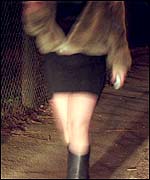
The world's oldest profession has always been attracted to ports, harbours and docklands. It is no surprise then, that Leith, the port of Edinburgh, has been a working base for the city's prostitutes for as long as anyone can remember. Now Leith is at the centre of a debate as the Scottish Parliament prepares to consider a bill that would make red-light zones legal. What put Leith on the map - apart from Trainspotting author Irvine Welsh - was its 'tolerance zone'.
Police did not condone prostitution, but took a pragmatic view. The red-light area was clearly defined and more easily policed. It also offered a measure of protection to the women themselves. But by the 1990s, Leith was upwardly mobile. New, prestige housing and shopping developments arrived. It even became home to first the Scottish Office and then, after devolution, the Scottish Executive.
In 2001, police, councillors and health advisers designated near-by Salamander Street as a "tolerance zone". The prostitutes themselves, represented by the Scottish Prostitutes Education Project (Scotpep), had a say. Predictably, residents who had bought up-market flats in adjacent developments were outraged. Violent attacks At one stage, local householders started discussions with solicitors with a view to seeking a judicial review in the courts. Eventually, the residents won their battle and the Salamander Street experiment was short-lived. However, the debate continued on the best means of coping with prostitution in Leith and elsewhere.
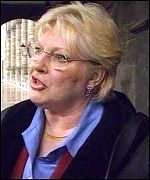
Ms MacDonald, who lives in Edinburgh, warned that removing a relative safe-haven for prostitutes would lead to more violent attacks on the women. In September this year, a school girl drug addict was found selling herself on the streets of Leith. Ms MacDonald proposed legislation in the Scottish Parliament to allow local councils to establish the zones. Kerb crawling Not all agreed. The Scottish Police Federation said the zones were not the answer. It said making a generally illegal activity legal in a specific area might not be lawful. In Leith itself, the battle between residents and prostitutes continued. On several occasions, placard-waving local protesters took to the streets in an effort to drive away both the girls and the kerb-crawling motorists. They said parts of Leith had become virtual 'no-go' areas for women who found themselves being pestered by male drivers. Now it is up to the Scottish Parliament to decide on Margo MacDonald's Bill. Its supporters say regulated red-light areas would allow the police to built up an intelligence profile on what is happening on the streets. It would deter child-prostitution and help in the fight against drug related crime. But the age-old profession still faces age-old opposition on widely held moral and ethical grounds. | | See also:  29 Oct 02 | Scotland 05 Jul 02 | Scotland 31 May 02 | Scotland 28 Jan 02 | Scotland 30 Nov 01 | Scotland 14 Aug 01 | Scotland 03 Aug 01 | Scotland Internet links: The BBC is not responsible for the content of external internet sites Top Scotland stories now: Links to more Scotland stories are at the foot of the page. | |||||||||||||||||||||||||||||||||||||||||||||||||||||||||||||||||||||||||||||||||||||||||||||||||
| |
|  E-mail this story to a friend E-mail this story to a friend |
| |
| Links to more Scotland stories |
| | | ||
 | ||||
 | | Back to top
| ||
| ---------------------------------------------------------------------------------- To BBC Sport>> | To BBC Weather>> | To BBC World Service>> ---------------------------------------------------------------------------------- © MMIII | News Sources | Privacy |