|
 |
 | | | | | | |||||||||||||||||||||||||||||||||||||||||||||||||||||||||||||||||||||||||||||||||||||||||||||||||||||||||||||||||||||||||||||||
| | | You are in: UK: Scotland | |||||||||||||||||||||||||||||||||||||||||||||||||||||||||||||||||||||||||||||||||||||||||||||||||||||||||||||||||||||||||||||||||
|
| | Wednesday, 23 October, 2002, 12:44 GMT 13:44 UK Salmonella deaths 'unavoidable' 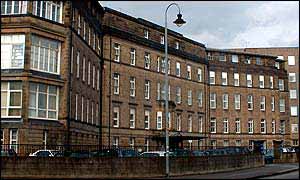 The Victoria Infirmary, where three people died An expert who investigated a hospital salmonella outbreak which claimed three lives has found "no evidence" that the deaths could have been avoided. Microbiologist Dr Brian Watt, who looked into the outbreak at the Victoria Infirmary in Glasgow, has published a series of recommendations aimed at tightening hygiene practices in hospitals. However, Dr Watt said he could see nothing to suggest that those measures would have prevented the deaths of the three elderly men in January. He said: "I don't think there's any evidence that the shortcomings we have identified led to the deaths of the patients involved.
"I do think though that attention to these and implementation of our recommendations will help reduce the chances of this happening in the future." The report was published in tandem with a Scottish Executive action plan to address the wider problem of hospital acquired infections (HAIs) in the NHS. Dr Watt's report has called for detailed infection control standards at ward and clinic level, stricter monitoring of hand-washing by staff and greater transparency about outbreaks. It has also insisted that staff should not travel to and from work in their uniforms and called for uniforms to be cleaned "by or under the auspices of the NHS". 'Holes in dam' Dr Watt said his recommendations and the executive action plan were a step in the right direction but added: "Our measures against hospital acquired infection are rather like a dam against water and we have identified 47 holes in the dam. "If we can plug the 47 that will obviously help very much our mechanisms. "There is statistically a risk of acquiring it, just as there is a risk of the brakes on your car failing when you drive it away from here.
"Hopefully you minimise the risks by servicing your car properly and we intend to minimise the risks by implementing the action plan." Health Minister Malcolm Chisholm said the Scottish Executive was drawing together recommendations from Dr Watt's and other work that had been going on throughout the year. The minister said: "The reality is that high standards are practised by the vast majority of staff and the important thing is to make sure high standards become universal standards." "A lot of what we're talking about today is sharing good practice and making sure that everybody follows those. Enforced standards "But of course we also have to have systems in place within hospitals." Mr Chisholm said more infection control nurses were being introduced to enforce standards alongside "frontline champions" on wards who would monitor and reinforce good practice. The minister announced a series of initiatives including:
Mr Chisholm has written to NHS boards instructing them to take on board the recommendations. Greater Glasgow NHS Board said it welcomed the Watt report and added that it has "tightened up" procedures following the outbreak. Robert Calderwood, chief executive of South Glasgow University Hospitals NHS Trust, said the trust had also taken further steps to tackle the infections threat. The Tories health spokeswoman, Mary Scanlon, said: "The Scottish Conservatives have long advocated that a designated person be put in charge of hospital wards to ensure that there is a visible leader. "This special sister or modern matron could assist in improving hygiene standards, and would also afford patients a recognisable person to whom they can go with problems and concerns." | |
See also:  17 Oct 02 | Scotland 16 Sep 02 | Scotland 30 Apr 02 | Scotland 15 Apr 02 | Scotland 06 Apr 02 | Scotland 17 Jan 02 | Scotland Internet links: The BBC is not responsible for the content of external internet sites Top Scotland stories now: Links to more Scotland stories are at the foot of the page. | |||||||||||||||||||||||||||||||||||||||||||||||||||||||||||||||||||||||||||||||||||||||||||||||||||||||||||||||||||||||||||||||
| |
|  E-mail this story to a friend E-mail this story to a friend |
| |
| Links to more Scotland stories |
| | | ||
 | ||||
 | | Back to top
| ||
| ---------------------------------------------------------------------------------- To BBC Sport>> | To BBC Weather>> | To BBC World Service>> ---------------------------------------------------------------------------------- © MMIII | News Sources | Privacy |