|
 |
 | | | | | | |||||||||||||||||||||||||||||||||||||||||||||||||||||||||||||||||||||||||||||||||||||
| | | You are in: UK: Scotland | |||||||||||||||||||||||||||||||||||||||||||||||||||||||||||||||||||||||||||||||||||||||
|
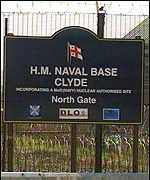
| | Monday, 21 October, 2002, 17:06 GMT 18:06 UK Children get 'bomb disposal' lessons 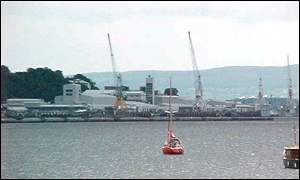 Experts from the Faslane base gave the safety lessons Schoolchildren living close to a nuclear submarine base have been offered lessons on how to react if they find washed-up explosives. Bomb disposal experts from the naval base at Faslane on the Clyde visited two local schools to explain what children should do if they discovered military devices or flares on the shore. Teachers at Garelochhead Primary School, which is about 5 miles north of the base, asked specialists from the Explosive Ordnance Disposal unit to show pupils how to spot and mark the location of suspect devices. Experts were also asked to give a demonstration at a school in Rothesay on the isle of Bute in the Clyde estuary.
Ministry of Defence (MoD) officials said the lessons were a precautionary measure and denied there were large amounts of ordnance being washed ashore. A spokeswoman said: "It's not just military things, it is flares from the yachts that sail in the area. "Things are washed up on the beaches from places like Largs and right up the Clyde coast. "Some of it is old ordnance from World War II and things we maybe use in exercises. "There is maybe a case of something turning up once every couple of months but the problem is not more serious here than in bases at Portsmouth or Devonport." The lessons were led by the ordnance unit's Northern Diving Group, which is based at the Clyde Naval Base. Busy estuary The group helps collect and dispose of explosive devices found at sea or washed ashore. The MoD said the experts had been invited by school heads and would carry out future demonstrations if asked. During recent years, significant numbers of phosphorous flares were reported washed up on the Ayrshire coast near towns such as Largs or Troon. Experts said military activities and general shipping traffic in the busy Clyde estuary meant there was a likelihood of some explosive debris. In the mid 1990s, it emerged thousands of hazardous phosphorus sticks dumped in the Irish Sea after World War II were being washed ashore on the Scottish and Ulster shoreline. | | See also:  24 Jul 02 | Scotland 11 Jul 02 | Scotland 25 Apr 02 | Scotland 16 Apr 02 | Scotland 16 Apr 00 | Scotland Internet links: The BBC is not responsible for the content of external internet sites Top Scotland stories now: Links to more Scotland stories are at the foot of the page. | |||||||||||||||||||||||||||||||||||||||||||||||||||||||||||||||||||||||||||||||||||||
| |
|  E-mail this story to a friend E-mail this story to a friend |
| |
| Links to more Scotland stories |
| | | ||
 | ||||
 | | Back to top
| ||
| ---------------------------------------------------------------------------------- To BBC Sport>> | To BBC Weather>> | To BBC World Service>> ---------------------------------------------------------------------------------- © MMIII | News Sources | Privacy |