|
 |
 | | | | | | ||||||||||||||||||||||||||||||||||||||||||||||||||||||||||||||||||||||||||||||||||||||||||||||||||||||||||||||||||||||
| | | You are in: UK: Scotland | ||||||||||||||||||||||||||||||||||||||||||||||||||||||||||||||||||||||||||||||||||||||||||||||||||||||||||||||||||||||||
|
| | Tuesday, 6 August, 2002, 13:35 GMT 14:35 UK Experts plan sex health strategy 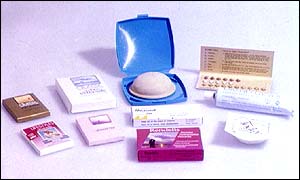 Not enough people are taking precautions An expert panel has been set up to curb cases of sexually transmitted disease and unwanted teenage pregnancies in Scotland. The group has been tasked by the Scottish Executive with creating a "sexual health strategy" for Scotland. The panel, which includes medical experts, children's campaigners, a teacher and a priest, has also been given the task of improving sexual health services and education. Recent figures showed that the number of people in Scotland infected with one of the most common STDs, Chlamydia, had risen by almost 30% in the past year. The Health Education Board for Scotland (Hebs) said the country had the highest rate of unwanted pregnancies in Europe and the safe sex message was not getting through.
"We are also seeing further rises in sexually transmitted infections. "These are health problems that can cause lasting difficulties but which can be reduced by better availability of services and a broad understanding of the issues involved. "There is already a great deal of information and research on these subjects. "What we need to do now is translate that into a set of proposals for action." The group will use existing research data and its own information to develop proposals. Mr Chisholm said: "On the basis of an agreed and co-ordinated plan, we should be able to make real progress towards improving the sexual health of the people of Scotland." Young most at risk The 21-strong group includes Professor Phil Hanlon of the Public Health Institute of Scotland, Dr Candace Currie of the University of Edinburgh and Margaret McKay of Children First. Lindsay MacHardy, of Hebs, said youngsters throughout Scotland were not heeding the safe sex warnings. She said: "We have high rates of unwanted pregnancies and sexually transmitted infections, so we want to reduce those. "And by linking together the information, the schools' work and the services that are out there, and through media work, then hopefully we can act together to reduce all those things."
Figures released last month revealed that there were 10,580 cases of Chlamydia in the past year, compared to 7,615 in 2000. The greatest rise was in the Lothians, where recorded incidents of the infection more than doubled from 1,195 to 2,401. Women, who can be left sterile by the disease, were 164% more likely than men to contract it, the study found. Dr Gordon Scott, of Edinburgh Royal Infirmary's genito-urinary medicine clinic, warned that young people were most in danger. | |
See also:  19 Jul 02 | Scotland 09 Jul 02 | Scotland 30 Nov 01 | Health 27 Nov 01 | Health 27 Jul 01 | Health 05 Oct 02 | Health 07 Dec 00 | Health 15 Dec 00 | Health Internet links: The BBC is not responsible for the content of external internet sites Top Scotland stories now: Links to more Scotland stories are at the foot of the page. | ||||||||||||||||||||||||||||||||||||||||||||||||||||||||||||||||||||||||||||||||||||||||||||||||||||||||||||||||||||||
| |
|  E-mail this story to a friend E-mail this story to a friend |
| |
| Links to more Scotland stories |
| | | ||
 | ||||
 | | Back to top
| ||
| ---------------------------------------------------------------------------------- To BBC Sport>> | To BBC Weather>> | To BBC World Service>> ---------------------------------------------------------------------------------- © MMIII | News Sources | Privacy |