|
 |
 | | | | | | |||||||||||||||||||||||||||||||||||||||||||||||||||||||||||||||||||||||||||||||||||||||
| | | You are in: UK: Scotland | |||||||||||||||||||||||||||||||||||||||||||||||||||||||||||||||||||||||||||||||||||||||||
|
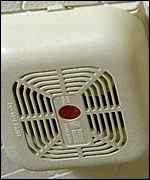
| | Friday, 19 July, 2002, 12:19 GMT 13:19 UK Fire injuries rise as deaths fall  Fires claimed 75 lives in Scotland The number of fire fatalities in Scotland has fallen to its lowest level for a decade - but the country still has the highest death rate in the UK. Statistics compiled by the Scottish Executive also showed that the number of fire injuries was at its highest level in 10 years. And almost half of the houses struck by fire in the year 2000 did not have a smoke detector.
The figures were contained in the first statistical bulletin bringing together information from Scotland's eight fire brigades. It said there were 75 fire deaths in the year 2000 - the lowest figure for a decade. Most of the fatalities came in house blazes. The rate of 15 fire deaths per million of population was above the figures of 10 per million in England and Northern Ireland and 13 in Wales. A further 2,263 people were injured in incidents, with the majority being hurt in house fires. This was the highest level in 10 years and was well above the rates for the rest of the UK. Appliance misuse Eleven of the deaths came in fires which were started maliciously. In all nearly a quarter of house fires were started maliciously, with most of the others being blamed on the misuse of appliances or chip pan fires. The total number of fires in Scotland rose from 52,600 in 1999 to 55,800 the following year. That figure represented a 12% increase from the 1990 levels - due to a 41% rise in the number of "secondary" fires caused by a surge in grass and rubbish blazes. Raised alarm Secondary fires are those where no-one is injured or needs to be rescued and up to four appliances are called to attend the incident. The figures also showed that there were no smoke alarms in 4,500 of the houses affected by fire. "In the years since 1994, the majority of fatal casualties have occurred in dwellings fires where either the smoke detector was present but failed to operate or in dwellings fires where a smoke detector was absent," said the report.
A Scottish Executive spokeswoman said it spent �750,000 a year promoting community fire safety issues. "The Scottish Executive strongly recommends that householders ensure that smoke alarms are fitted to ensure safety," she said. That message was reinforced by Lothian and Borders Fire Brigade divisional officer Bob Bertram. "Our experience shows that people may take the batteries out of smoke alarms when they go off when they're cooking, rather than actually moving the location of the alarm. "People are certainly putting their lives at risk as although a smoke detector does not stop someone having a fire, it gives a very early warning," he said. | | See also:  24 Jun 02 | Scotland 29 Apr 02 | Scotland 18 Sep 01 | Scotland Internet links: The BBC is not responsible for the content of external internet sites Top Scotland stories now: Links to more Scotland stories are at the foot of the page. | |||||||||||||||||||||||||||||||||||||||||||||||||||||||||||||||||||||||||||||||||||||||
| |
|  E-mail this story to a friend E-mail this story to a friend |
| |
| Links to more Scotland stories |
| | | ||
 | ||||
 | | Back to top
| ||
| ---------------------------------------------------------------------------------- To BBC Sport>> | To BBC Weather>> | To BBC World Service>> ---------------------------------------------------------------------------------- © MMIII | News Sources | Privacy |