|
 |
 | | | | | | |||||||||||||||||||||||||||||||||||||||||||||||||||||||||||||||||||||||||||||||||||||||||||||||||||||||||||||||||||||||
| | | You are in: UK: Scotland | |||||||||||||||||||||||||||||||||||||||||||||||||||||||||||||||||||||||||||||||||||||||||||||||||||||||||||||||||||||||||
|
| | Friday, 12 July, 2002, 13:36 GMT 14:36 UK Pledge to purge postcode drugs 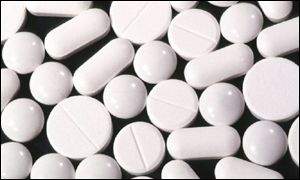 Some drugs are not made available by health boards The National Health Service in Scotland still faces the problem of "postcode prescribing", Health Minister Malcolm Chisholm has admitted. Addressing concerns raised in a British Medical Journal report Mr Chisholm vowed to tackle the "unacceptable" problem. The report said that the final decisions on which drugs were available on the NHS were being taken by health boards at a local level. Doctors from the Western General Hospital in Edinburgh said that boards could decide not to fund new treatments even though drugs had been approved for use in the NHS.
They said that a range of treatments had been rejected by Lothian Health Board's drug evaluation panel. But the health board defended its right to "make decisions locally". David Cameron, senior lecturer in oncology at Edinburgh University, and consultant breast surgeon Michael Dixon called for the system to be changed to ensure all patients have access to the same treatment. The report highlighted the case of Imatinib, a drug used to treat chronic leukaemia, which was available in Fife but rejected for funding by Lothian Health Board. More committees A drug licensed for the treatment of colorectal cancer, they added, was available in the west of Scotland and Aberdeen, but not in Lothian. "The current system seems no more equitable than previously - extra layers of central committees exist and drug availability continues to depend on local health board decisions," they said. "We would advocate a streamlined approach, with centralised decision-making bodies such as Nice (National Institute of Clinical Excellence) and the Scottish Medical Consortium.
"The alternative is a return to the old system of postcode prescribing." The executive said it expected NHS boards to ensure funding is available to meet patients needs. Mr Chisholm said that while progress had been made to tackle the problem it was unrealistic to believe the executive was going to "abolish it in one day". He said the executive had made a lot of progress over the past couple of years. He said: "We haven't eliminated all postcode prescribing. Public consultation "We have made significant progress but we need to go further. I have just answered a parliamentary question where I said we are monitoring this. "If I hear of examples such as those reported this morning I will follow them up." Dr Sue Payne, a public health consultant speaking on behalf of Lothian Health Board, defended its right to make decisions locally. "I would argue that the system we have at present is one that allows local discretion within health board areas to target resources appropriately," she said. It was important to listen to the views of both patients and the public alike before allocating resources, she added. Dr Payne said the national system laid down by the SMC would give important guidance in the future. | |
See also:  14 Dec 00 | Scotland 10 Dec 00 | Scotland 09 Nov 00 | Scotland 10 Aug 00 | Scotland Internet links: The BBC is not responsible for the content of external internet sites Top Scotland stories now: Links to more Scotland stories are at the foot of the page. | |||||||||||||||||||||||||||||||||||||||||||||||||||||||||||||||||||||||||||||||||||||||||||||||||||||||||||||||||||||||
| |
|  E-mail this story to a friend E-mail this story to a friend |
| |
| Links to more Scotland stories |
| | | ||
 | ||||
 | | Back to top
| ||
| ---------------------------------------------------------------------------------- To BBC Sport>> | To BBC Weather>> | To BBC World Service>> ---------------------------------------------------------------------------------- © MMIII | News Sources | Privacy |