|
 |
 | | | | | | |||||||||||||||||||||||||||||||||||||||||||||||||||||||||||||||||||||||||||||||||||||||
| | | You are in: UK: Scotland | |||||||||||||||||||||||||||||||||||||||||||||||||||||||||||||||||||||||||||||||||||||||||
|
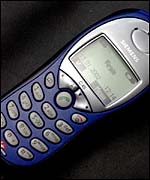
| | Thursday, 6 June, 2002, 10:36 GMT 11:36 UK Seals 'phone' home The seals travel hundreds of kilometres Seals are to be given their own "mobile phones" to help study their environment and protect their numbers in the future. Special tags will be attached to grey seals which use mobile phone technology to trigger "text messages" to researchers when the mammals return to land after feeding trips. The study, the first of its kind in the UK, hopes to give a greater insight into the seals' movements, feeding and behaviour. The research is being undertaken by the St Andrews University's Sea Mammal Research Unit (SMRU) and the communications firm Siemens.
The information will be used to help shape future policy on marine mammal management and conservation. The project is being funded by St Andrews, the Natural Environment Research Council (NERC) and Siemens Mobile. Pups deserted After being suckled by their mothers for 18 days, seals are deserted and left to fend for themselves. The next couple of months are crucial as they explore the seas, often travelling hundreds of kilometres. During this time, they must learn how to navigate at sea and find fish before they starve, all without any parental help.
This will allow scientists to examine which factors affect their survival through their first year. After this, detailed track and dive behaviour will be sent ashore. Bernie McConnell, senior research scientist at SMRU, said the project would enable a greater understanding of the grey seal population. "Over the last 10 years, we have developed satellite telemetry techniques to track marine mammals at sea, on species from the Arctic to the Antarctic," he said. 'Amazing insights' "This has led to amazing insights into how marine mammals live and behave at sea. "So we now plan to exploit the global GSM infrastructure and use mobile phone technology to communicate information - initially in the form of text messages - from seals back to land. "This heralds an exciting new era in the study of marine mammals and our ability to communicate with wildlife." Louise Cardwell, product manager at Siemens ICM Wireless Modules UK and Ireland, said the company was delighted to be involved in the project. "Siemens take much pride in research and development so, when Siemens Wireless Modules were approached by the SMRU to be involved in the project, we were delighted," she went on. "The SMRU presented research plans for the future including how Siemens ICM can work in partnership with them." | | See also:  25 Feb 02 | Science/Nature 12 Feb 99 | Science/Nature 16 Dec 99 | Science/Nature 11 Feb 99 | Science/Nature Internet links: The BBC is not responsible for the content of external internet sites Top Scotland stories now: Links to more Scotland stories are at the foot of the page. | |||||||||||||||||||||||||||||||||||||||||||||||||||||||||||||||||||||||||||||||||||||||
| |
|  E-mail this story to a friend E-mail this story to a friend |
| |
| Links to more Scotland stories |
| | | ||
 | ||||
 | | Back to top
| ||
| ---------------------------------------------------------------------------------- To BBC Sport>> | To BBC Weather>> | To BBC World Service>> ---------------------------------------------------------------------------------- © MMIII | News Sources | Privacy |