
|
 |
 | | | | | | ||||||||||||||||||||||||||||||||||||||||||||||||||||||||||||||||||||||||||||||||||||||||||||||||||
| | | You are in: UK: Politics | ||||||||||||||||||||||||||||||||||||||||||||||||||||||||||||||||||||||||||||||||||||||||||||||||||||
|
| | Thursday, 30 January, 2003, 09:11 GMT Call for compulsory voting  Polling in some elections is at 'crisis point'
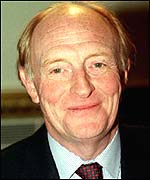
Mr Kinnock said apathy about European and local polls has reached "crisis point".
Turnout in the 2001 general election was less than 60%, while it was just 23% in the European elections of 1999. Mr Kinnock said people should not forget the relatively recent battles to extend voting rights. "My grandmother was 29 years of age before she got a vote," he said. "It's that close, it's that near, democracy is that new in our country." Mr Kinnock backs efforts to make voting easier via postal voting and the internet, but also believes that going to the polling station should be compulsory in the UK, as it is in countries like Belgium. "In Belgium there is 90% turnout, and there is no evidence to suggest political antipathy or a sense of oppression, people use their vote," he said. Values But he said there is also a need to show that politics is about values. Making voting compulsory would help, he said, by making elections more concerned with the substance of what politicians have to say rather than with the process. For their part, politicians must be prepared to "enunciate values in terms that relate to everyday life, not on another planet, but to be willing to speak in terms of justice, liberty..." Politics has, however, suffered from a lack of passion among politicians, he argues - thanks in part to "the battering that passion has taken from the press". And Labour has to take its share of the blame, he admitted. "The kind of attacks made for instance against me - the Welsh windbag - did produce in the Labour movement an over-reaction which was entirely understandable. "If it is the case that you appear to jeopardise your appeal by speaking quickly at the top of your voice and in colourful terms, you speak slowly, in a modulated tone and in less colourful terms." Crescendo Television doesn't help, he says. "Passion can look synthetic in a way that it doesn't when someone is listening to a 20 minute or 40 minute speech.
"If what people see is a kind of representation of politicians that is made up entirely of Ian Paisley bawling into a camera you can see why people would be switched off." But he warns that "the longer a culture goes without good rhetoric the less rhetoric there is likely to be". On the continent, for instance, he says politicians have shied away from passion - partly as an understandable reaction to "demagogic rhetoric" and "cooled and quieted their politics to such an extent that their leading politicians only stand up to speak on ceremonial occasions". Temper "It really does have a depressing effect on evocative language," he says. "When there is passion it usually shows itself in the form of bad temper rather than sincere, sustained, vitriol and is an explosion rather than a barrage." He also acknowledges that Labour has developed an "instinct for control and modulation" which was "a direct product of the attacks by the press and the manifest indiscipline of the party". "Again, maybe there is a little over-reaction which I also understand on the discipline front. "There was a hell of a fight to get the party back in line and it would be wrong if the party had been allowed to get out of line again." | | See also:  28 Jan 03 | Education 29 Jan 03 | Politics 29 Jan 03 | Politics 29 Jan 03 | Politics 21 May 02 | Politics | ||||||||||||||||||||||||||||||||||||||||||||||||||||||||||||||||||||||||||||||||||||||||||||||||||
 | |
|  E-mail this story to a friend E-mail this story to a friend |
| |
|
| | | ||
 | ||||
 | | Back to top
| ||
| ---------------------------------------------------------------------------------- To BBC Sport>> | To BBC Weather>> | To BBC World Service>> ---------------------------------------------------------------------------------- © MMIII | News Sources | Privacy |






 I've been such a good boy for 25 years...I'm going to be a bloody old nuisance