|
 |
 | | | | | | ||||||||||||||||||||||||||||||||||||||||||||||||||||||||||||||||||||||||||||||||||||||||||||||||||
| | | You are in: UK: Politics | ||||||||||||||||||||||||||||||||||||||||||||||||||||||||||||||||||||||||||||||||||||||||||||||||||||
|
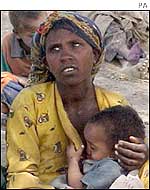
| | Wednesday, 15 January, 2003, 09:15 GMT Brown steps up aid cash moves  Famine stalks large swathes of Africa
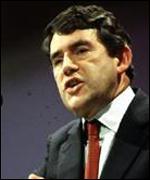
The chancellor will unveil the details of the international financing facility plan in the next few weeks after signalling the move in his pre-Budget report in November.
The chancellor's plan is take a long-term approach to aid by issuing bonds to raise cash up front and effectively lock-in future governments to the strategy. Mr Brown has discussed his proposals with finance ministers in donor countries including the US, France, Germany and Italy, as well as with the heads of the IMF and World Bank. And it has been warmly welcomed by aid agencies - with one saying Mr Brown has done a "huge and magnificent" job of highlighting the need to boost aid budgets. In a statement on the plans released before the Commons rose for the Christmas recess, the Treasury fleshed out the plan a little. In essence, Mr Brown accepts that in order to meet the "huge financing challenge" of achieving the internationally agreed Millennium Development Goals (MDGs) by 2015, the current aid regime will not be enough. The MDGs, agreed in a United Nations declaration in September 2000, call for a halving of the number of people living on less than $1 a day. Duty In order to do that, the world community must increase aid spending from $50bn a year to $100bn a year.
Earlier this year the United Nations conference on financing for development at Monterrey pledged an extra $12 billion in aid each year from 2006. And the essence of Mr Brown's plan is that that cash could be used to issue bonds to raise huge sums now - what Christian Aid's Andrew Pendleton describes as "borrowing for tomorrow to bring benefit today". Aid agencies generally back Mr Brown's plans, saying few others on the world stage have come up with ways of addressing the need for new proposals if the MDGs are to be met. Serious Henry Northover, a policy analyst on Africa with Catholic aid agency Cafod, says: "With this move the chancellor has broken the international silence over where the money to reach the Millennium Development Goals is coming from.
The Treasury itself says the international community is at "a critical juncture" - there is agreement on the MDGs and extra cash has been committed: but it's not enough. "If we do not act with purpose and resolve now, we simply cannot hope to meet the MDGs by 2015," it warns. It goes on: "Increasing our support from $50 billion currently to the $100 billion a year needed to meet the MDGs would transform the ability of countries to increase their investment in critical poverty reducing programmes. It is vital that we act now." One aspect of the plan which appeals to aid agencies is that it would commit future governments to plans laid out now - what Andrew Pendleton describes as "binding countries rather than governments". Failure But while the plans have been welcomed by aid agencies, some concerns do exist.
And he says it is also an admission of the international community's failure to reach its targets through taxation. Andrew Pendleton says it is important that international trade policies are reformed alongside any extra aid spending. "Developing countries are increasingly losing core industries such as agriculture because so much produce is going into their markets cheaply from elsewhere," he said. Interest "It is very, very important to not only give countries money to invest in industry but also have to have a new of trade rules which discriminate in favour of developing countries."
The Conservatives say the proposals sound good in principle, but that first the details need to be fleshed out and that there must be evidence of worldwide backing. A spokesman said: "What we are looking for is how much international support the idea gets. Share "It will only work with international support and the Treasury has got to provide convincing evidence that they have got other countries to support it." And there is still work to be done in that area. Mr Brown told MPs before the Christmas recess: "We are ready to pay our share, but we obviously want to talk to other countries that have expressed an interest." Henry Northover agrees that this goes to the crux of the issue. "To get other rich countries behind the idea, we have to show them the evidence of how and where aid works and how it helps make the world a safer place." | | See also:  04 Dec 02 | Africa 11 Nov 02 | Africa 20 Apr 02 | Business Internet links: The BBC is not responsible for the content of external internet sites | ||||||||||||||||||||||||||||||||||||||||||||||||||||||||||||||||||||||||||||||||||||||||||||||||||
 | |
|  E-mail this story to a friend E-mail this story to a friend |
| |
|
| | | ||
 | ||||
 | | Back to top
| ||
| ---------------------------------------------------------------------------------- To BBC Sport>> | To BBC Weather>> | To BBC World Service>> ---------------------------------------------------------------------------------- © MMIII | News Sources | Privacy |






 In the end, it all comes back to the duties national governments recognise and are prepared to discharge