
|
 |
 | | | | | | ||||||||||||||||||||||||||||||||||||||||||||||||||||||||||||||||||||||||||||||||||||||||||||||||||||||||||||||||||||
| | | You are in: UK: Politics | ||||||||||||||||||||||||||||||||||||||||||||||||||||||||||||||||||||||||||||||||||||||||||||||||||||||||||||||||||||||
|
| | Thursday, 21 November, 2002, 17:14 GMT Criminal Justice Bill: At a glance 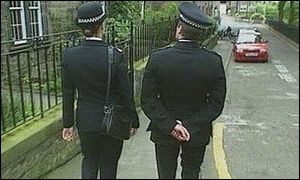 Police stop and search powers will be extended The Criminal Justice Bill aims to rebalance the system in favour of victims, witnesses and communities. Here are the key points at a glance: Until now, a defendant could not be tried twice for the same serious crime, even if there was compelling new evidence. This will be overturned under the new proposals, but a number of safeguards will be included to guard against harassment of acquitted people. Prosecutors will only be allowed to ask once for an acquittal to be quashed, so there is no prospect of repeated retrials. Jurors will be told of a defendant's or witness' previous convictions where it is "relevant to the case", such as establishing an obvious modus operandi in sex attack cases. Dangerous offenders, including sex attackers, could be punished with "indeterminate sentences" so they can be kept inside after the end of their sentence if they are still considered a risk to the public. Magistrates' powers to impose jail terms will go up from six months to 12. Judges will be allowed to sit alone in complex cases such as fraud trials and where there is a danger of intimidation or bribery such as in major drugs or gangland violence cases. Where a witness is not available to testify, his or her statement could be used in evidence, and there could be greater use of video recorded statements for crucial evidence in serious cases. Offenders may be expected to do community work as part of his deferred sentence. The bill extends the use of parenting orders by making them available at an earlier stage. The proposals allow testing of suspects for specified class A drugs and makes a presumption against bail for anyone who tests positive but refuses to undergo assessment for treatment. The bill extends stop and search powers for items intended to cause criminal damage, enables "street bail" or bail from the scene of arrest, extends a suspect's detention under the authority of a superintendent from 24 to 36 hours for an arrestable offence. Committing offences while on bail will count against a defendant's application for further bail under the plans. The Crown Prosecution Service will determine the charge of a suspect to see whether proceedings should be instituted and, if so, on which charge. Police will charge without reference on minor offences. Suspects will be cautioned with specific conditions where there is enough evidence to charge them with an offence they admit. The prosecution will be required to disclose to the defence unused material that has not been previously revealed and which might be considered capable of undermining the prosecution case or of assisting the accused. Exemptions to jury service will be reduced to enable more people to serve. Witnesses will be able to give evidence using TV links from remote locations if this is more effective or efficient. | |
See also:  21 Nov 02 | Politics 14 Nov 02 | Politics 14 Nov 02 | Politics 13 Nov 02 | Politics 20 Nov 02 | Politics 06 Mar 01 | UK 17 Jul 02 | Politics Internet links: The BBC is not responsible for the content of external internet sites | ||||||||||||||||||||||||||||||||||||||||||||||||||||||||||||||||||||||||||||||||||||||||||||||||||||||||||||||||||||
| |
|  E-mail this story to a friend E-mail this story to a friend |
| |
|
| | | ||
 | ||||
 | | Back to top
| ||
| ---------------------------------------------------------------------------------- To BBC Sport>> | To BBC Weather>> | To BBC World Service>> ---------------------------------------------------------------------------------- © MMIII | News Sources | Privacy |






