|
 |
 | | | | | | |||||||||||||||||||||||||||||||||||||||||||||||||||||||||||||||||||||||||||||||||||||||||||||||||||||||||||||||||||||||||||||||
| | | You are in: UK: Politics | |||||||||||||||||||||||||||||||||||||||||||||||||||||||||||||||||||||||||||||||||||||||||||||||||||||||||||||||||||||||||||||||||
|
| | Thursday, 21 November, 2002, 22:04 GMT 'Victims justice' reforms under fire 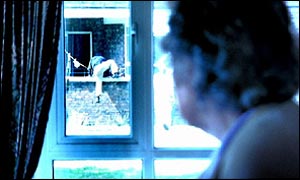 Fear of crime is rising in many communities A radical shake-up of the courts system to "rebalance it in favour of victims" is facing a storm of protest. The Criminal Justice Bill includes proposals to cut the right to trial by jury and to allow previous convictions to be disclosed to juries in some cases.
These plans have already sparked furious controversy, with lawyers and civil rights campaigners opposed to changes they believe will produce miscarriages of justice. But Home Secretary David Blunkett said the bill would "send the strongest possible message that the system is being managed in the interests of the victims of crime". Lone judges Under the new proposals, magistrates will be allowed to sentence offenders to 12 months in prison, instead of the current six. Dangerous offenders including sex attackers will be punished with "indeterminate sentences" so they can be kept inside after the end of their sentence if they are still considered a risk to the public. Judges will be allowed to sit without juries in complex cases such as fraud trials, and where there is a danger of intimidation or bribery such as in major drugs or gangland violence cases. But John Wadham, director of Liberty, said: "In years to come, as more innocent people emerge after years in prison caused by these plans, we'll wonder how Parliament let this shameful attack on justice get into law." Mr Wadham accused the government of trying to cut crime rates by "making trials less fair". "It will send more innocent people to prison. "The government wants to shortcut justice, because it's cheap and it gets good headlines. But it's wrong and it won't solve the problem." 'Confidence trick' Labour peer Baroness Helena Kennedy QC said the proposals amounted to "quite frightening" attacks on civil liberties. She said the reforms were a "confidence trick" and predicted they would be blocked in the House of Lords. The Black Londoners Forum said the bill would further victimise black and ethnic minorities. Chairman Simon Woolley said: "The government's proposal makes much of its concern for ethnic minorities, however, it is the institutional illiberalism of the government's proposal that poses a far greater threat, not least to black minority ethnic communities." Other criminal justice bodies have estimated the reforms could increase a prison population already at an all-time high of nearly 73,000 by up to 10,000.
Mr Blunkett, however, insisted: "The criminal justice system needs radical reform. "Only a fifth of crimes reported to the police result in a conviction and public confidence in justice being done is at an all time low. "We will refocus the system around the needs of victims to bring more offenders to justice, to restore public faith in the criminal justice system and reduce the fear of crime in our communities particularly in deprived areas which suffer most from its effects." Jury service The scrapping of the double jeopardy law for offences of murder, rape and armed robbery will be restricted to one application for an acquittal to be quashed, so there is no prospect of repeated retrials. The disclosure of previous convictions will have to be "relevant to the case". Committing offences while on bail will count against applications for further bail to be granted, and courts will be able to admit hearsay evidence. Exemptions to jury service will be reduced to encourage more people to serve and witnesses will be allowed to give evidence by live TV link if this is more efficient. Lord Irvine, the Lord Chancellor, said giving magistrates' courts greater sentencing powers reflected the confidence the government had in their ability to "deliver fair and effective justice". | |
See also:  14 Nov 02 | Politics 14 Nov 02 | Politics 13 Nov 02 | Politics 20 Nov 02 | Politics 06 Mar 01 | UK 17 Jul 02 | Politics Internet links: The BBC is not responsible for the content of external internet sites | |||||||||||||||||||||||||||||||||||||||||||||||||||||||||||||||||||||||||||||||||||||||||||||||||||||||||||||||||||||||||||||||
| |
|  E-mail this story to a friend E-mail this story to a friend |
| |
|
| | | ||
 | ||||
 | | Back to top
| ||
| ---------------------------------------------------------------------------------- To BBC Sport>> | To BBC Weather>> | To BBC World Service>> ---------------------------------------------------------------------------------- © MMIII | News Sources | Privacy |