|
 |
 | | | | | | ||||||||||||||||||||||||||||||||||||||||||||||||||||||||||||||||||||||||||||||||||||||||||||||||||||||||||||||||||||
| | | You are in: UK: Politics | ||||||||||||||||||||||||||||||||||||||||||||||||||||||||||||||||||||||||||||||||||||||||||||||||||||||||||||||||||||||
|
| | Wednesday, 11 September, 2002, 17:35 GMT 18:35 UK If MPs speak, will Tony listen? 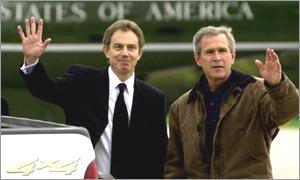 Blair and Bush on campaign to persuade
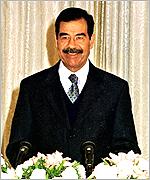
The UK is on the brink of sending its military into action alongside the US against a highly-dangerous "international outlaw". British lives - amongst many others - will very likely be lost if Saddam Hussein decides to fight to the finish.
The prime minister may believe that the current state of play does not warrant an immediate recall and that, with possible action still some time away, a Commons debate could have waited until the return of Parliament in October. New evidence But there has been a growing clamour for MPs to be given an immediate debate before the decision-making process moves any further forward. Probably the most worrying aspect of it all is that MPs even believed it possible that the prime minister would not allow them that opportunity. That speaks volumes for the way Mr Blair is seen to treat Parliament and voices of dissent. Even those more charitable than those MPs were, however, eager to have their say sooner rather than later and before any irrevocable decisions had been taken. And, finally, they have got their way. More importantly, they will get the debate after seeing the much-promised dossier of evidence about Saddam's current weapons capabilities. That should allow for a more informed exchange, although it is suspected that the document will contain nothing particularly new. Nonetheless, bringing together all the publishable intelligence on Saddam's activities since the weapons inspectors left Iraq four years ago may still prove shocking enough. Deep freeze Ever since the prime minister has started talking about being at the start of a process of persuasion it has seemed highly likely he would allow a Commons debate.
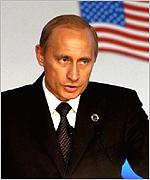
The prime minister got a taste of what might be in store for him when he addressed the TUC last Tuesday and was given the deep freeze treatment. Labour delegates can be far more vocal in their attacks than the always-polite trade unionists and there was, probably still is, the chance he will get a real mauling at the event. Mr Blair must be hoping that the dossier of evidence and the Commons debate will now take some of the heat out of that confrontation. Body language It will all be part of the intensive diplomatic activity which will see President George Bush addressing the UN next Thursday and Mr Blair visiting Russian President Vladimir Putin in Moscow in October in a bid to win him over. But the question that will now loom large is precisely what Mr Blair and President Bush will do if all these organisations and individuals refuse to be persuaded. If the prime minister's speech to the TUC is anything to go by, he is in no mood to be talked out of action by anyone. All his body language at the moment is of a man determined on a course of action and immune to arguments against. And that will lead some MPs to wonder exactly what the point of the debate is in the first place. | |
See also:  11 Sep 02 | Politics 11 Sep 02 | Politics 10 Sep 02 | Politics Internet links: The BBC is not responsible for the content of external internet sites | ||||||||||||||||||||||||||||||||||||||||||||||||||||||||||||||||||||||||||||||||||||||||||||||||||||||||||||||||||||
| |
|  E-mail this story to a friend E-mail this story to a friend |
| |
|
| | | ||
 | ||||
 | | Back to top
| ||
| ---------------------------------------------------------------------------------- To BBC Sport>> | To BBC Weather>> | To BBC World Service>> ---------------------------------------------------------------------------------- © MMIII | News Sources | Privacy |