|
 |
 | | | | | | |||||||||||||||||||||||||||||||||||||||||||||||||||||||||||||||||||||||||||||||||||||||||||||||||||||||||||||||||||||||||||||||||||||||||||
| | | You are in: UK: Politics | |||||||||||||||||||||||||||||||||||||||||||||||||||||||||||||||||||||||||||||||||||||||||||||||||||||||||||||||||||||||||||||||||||||||||||||
|
| | Wednesday, 11 September, 2002, 11:23 GMT 12:23 UK Blair to meet leaders over Iraq 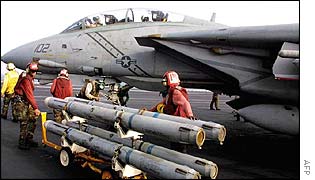 Some MPs fear war preparations are under way Prime Minister Tony Blair is to meet the leaders of the UK's two main opposition parties in Downing Street on Thursday, as demands grow for a recall of Parliament. Conservative leader Iain Duncan Smith and Charles Kennedy, of the Liberal Democrats, are expected to demand a debate on the Iraq crisis within the next few weeks. Ministers have confirmed they are "actively considering" recalling MPs from their summer recess. But Downing Street has so far sought to play down expectations. Timing issues A spokesman said: "Comments by others are acknowledged - but the fact remains that no decisions have been taken." He insisted MPs would be consulted before any troops were committed, but that stage had not yet been reached.
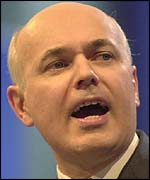
A Tory spokesman said that Mr Duncan Smith would stress that MPs should be given the chance to debate the evidence against Saddam. He said the Conservative leader would also underline the need for the international community to address the threat he poses "head on". A spokeswoman for Charles Kennedy said the Lib Dem leader would be seeing the prime minister at mid-day on Thursday. Wait She said Mr Blair was expected to tell Mr Kennedy about any plans for a recall of Parliament. The Lib Dems would prefer a recall next week, before the start of their annual conference on 22 September, she added. But some commentators believe Mr Blair will wait until 27 September, the day after the Lib Dem conference. Culture Secretary Tessa Jowell told BBC Radio 4's Today programme: "The prime minister made very clear in his speech to the TUC yesterday that Parliament is absolutely central to this debate and the decision about whether or when to recall Parliament is under active consideration." Labour Party chairman Charles Clarke said the matter of a recall is kept constantly under review. Informed debate He told BBC Two's Newsnight: "We have recalled Parliament in the past, the prime minister has indicated that Parliament would definitely meet before any military action was taken. "The question of what is the most appropriate timing is a matter we constantly look at." Mr Clarke said US President George Bush's speech to the United Nations on Thursday and the evidence dossier would both inform parliamentary debate. It is thought Tony Blair will wait until the government dossier on the threat posed by Saddam Hussein is ready for publication. Critical Mr Duncan Smith joined those calling for a Parliamentary recall on Tuesday. He said: "Clearly what we do over Iraq, dealing with Saddam Hussein, dealing with weapons of mass destruction, how we work with America, what we do with our allies, is a critical issue, and the way we play that is relevant for Parliament. "So we should debate those issues, I believe in the course of next week, and if it is necessary, which it will be, to recall Parliament, then we should do so." 'Supreme' Former Commons Speaker Betty Boothroyd warned that without a recall of Parliament, it would appear that the UK was moving towards a "presidential" style system. "I think the people of this country and Parliament need to be told what is in the prime minister's mind," she told BBC Radio 4's Today programme. Labour MP Graham Allen is looking for a venue to hold an unofficial debate for MPs, in the event there is no formal recall.
Speculation over a recall comes after Mr Blair told the Trades Union Congress it would be "grossly irresponsible" to ignore Iraq. The prime minister told the Blackpool conference: "If we do not deal with the threat from this international outlaw and his barbaric regime, it may not erupt and engulf us this month or next, perhaps not even this year or the next. "But it will at some point. And I do not want it on my conscience that we knew the threat, saw it coming and did nothing." Mr Blair was responding to TUC appeals for military action to only be taken with UN approval. But the prime minister suggested force may be necessary if the UN fails to properly tackle the issue. | |
See also:  11 Sep 02 | Middle East 10 Sep 02 | Politics 10 Sep 02 | Politics 10 Sep 02 | Politics 10 Sep 02 | Politics 08 Sep 02 | Politics 10 Sep 02 | Americas 11 Sep 02 | Middle East Internet links: The BBC is not responsible for the content of external internet sites | |||||||||||||||||||||||||||||||||||||||||||||||||||||||||||||||||||||||||||||||||||||||||||||||||||||||||||||||||||||||||||||||||||||||||||
| |
|  E-mail this story to a friend E-mail this story to a friend |
| |
|
| | | ||
 | ||||
 | | Back to top
| ||
| ---------------------------------------------------------------------------------- To BBC Sport>> | To BBC Weather>> | To BBC World Service>> ---------------------------------------------------------------------------------- © MMIII | News Sources | Privacy |