|
 |
 | | | | | | |||||||||||||||||||||||||||||||||||||||||||||||||||||||||||||||||||||||||||||||||||||||||||||||||||||||||||||||||||||||
| | | You are in: UK: Politics | |||||||||||||||||||||||||||||||||||||||||||||||||||||||||||||||||||||||||||||||||||||||||||||||||||||||||||||||||||||||||
|
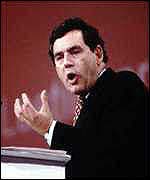
| | Sunday, 7 July, 2002, 13:49 GMT 14:49 UK Over-16s 'face child benefit axe' Ministers want to encourage more to stay on at school Chancellor Gordon Brown reportedly plans to scrap child benefit for over-16s when he unveils his spending plans within the next fortnight. The money saved will instead go as a means-tested benefit directly to over-16s in full-time education if their parents earn less than �30,000 a year, says the Sunday Telegraph.
The growing speculation reflects the battles behind the scenes by ministers keen to ensure that their patch does not miss out in what will be a bumper few years of spending. The decisions made will shape the government's political strategy in the run-up to the next General Election. Milton Keynes The Independent on Sunday says that Mr Brown is to announce a �1bn increase in spending on "affordable housing" in an effort to provide cheaper property for key workers such as police, nurses and teachers. The newspaper says that the new homes would be centred on four areas with good commuting links to London - Milton Keynes, Ashford in Kent, Stansted in Essex and the Thames Gateway area east of London.
The leader of the Transport and General Workers Union, Bill Morris, said he welcomed proposals to increase spending on health and education, but said that there should be more money for manufacturing industry as well. He said: "We're losing far too many jobs, far too many skilled people are moving from the manufacturing sector into other sectors and we've got to halt that drift." Defending spending Meanwhile the Confederation of British Industry has urged him to spend �4bn ($6.1bn) extra each year on investment in people and infrastructure - including �1.75bn more on transport, �1.45bn on education, and �500m on research. The budget raised National Insurance contributions to fund a �9.5bn annual increase in spending but much of that is already earmarked for the NHS. But other departments are quietly pressing their case for more spending in what promises to be a tight round. Defence Secretary Geoff Hoon is believed to be looking for an additional �1bn above inflation to fund the war against terrorism and increase the mobility of British forces. Home Secretary David Blunkett, who won increases in this year's Budget to fund extra police recruitment, wants a big programme of prison building and extra funds to deal with the asylum crisis. Africa aid And there is some question as to whether the Transport Department, now run by Mr Brown's ally Alistair Darling, will bid for as much extra cash as the CBI would like. Transport already has a commitment of �120bn over the next 10 years, but Mr Darling is not thought to share the CBI's desire to increase road-building. Away from the big spenders such as health, education, and transport, a squeeze could develop on smaller departments. Even Patricia Hewitt's Department of Trade and Industry is believed to be fighting to keep funding for business support schemes. But one small department sure to win a big increase in funding is the Department for International Development. Tony Blair has already pledged, at the G8 summit, to boost the UK's aid to Africa by 50%. | |
See also:  02 Jul 02 | UK Education 02 Jul 02 | Business 23 May 02 | UK Education 18 Apr 02 | Business 17 Apr 02 | Health 08 Mar 02 | UK Politics | |||||||||||||||||||||||||||||||||||||||||||||||||||||||||||||||||||||||||||||||||||||||||||||||||||||||||||||||||||||||
| |
|  E-mail this story to a friend E-mail this story to a friend |
| |
|
| | | ||
 | ||||
 | | Back to top
| ||
| ---------------------------------------------------------------------------------- To BBC Sport>> | To BBC Weather>> | To BBC World Service>> ---------------------------------------------------------------------------------- © MMIII | News Sources | Privacy |