|
 |
 | | | | | | |||||||||||||||||||||||||||||||||||||||||||||||||||||||||||||||||||||||||||||||||||||||||||||||||||||||||||||||||||||||||||||||||||||||||||||||||||||||||||||||||||||||||||||||||||||||||||||||||||
| | | You are in: Business | |||||||||||||||||||||||||||||||||||||||||||||||||||||||||||||||||||||||||||||||||||||||||||||||||||||||||||||||||||||||||||||||||||||||||||||||||||||||||||||||||||||||||||||||||||||||||||||||||||||
|
| | Tuesday, 2 July, 2002, 09:14 GMT 10:14 UK Battle over spending heats up Big increases are already pledged for the NHS
A fierce battle is raging behind the scenes over the future funding of UK public services. With two weeks to go before the government is expected to announce its spending plans for the next three years up to 2005-06, key ministers are intensifying their drive for extra cash.
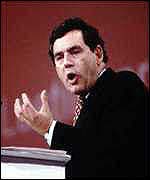
The Chancellor, Gordon Brown, has hinted that he is planning a big expansion in education, while resisting pressure from the Home Secretary and the Prime Minister for too much more money to fight crime and tackle immigration abuse. Mr Brown wants to put extra resources into education maintenance grants, and is sceptical that more money on policing lowers crime. In an interview with the Times newspaper, he suggests that students who stay on after 16 to do A-levels could receive up to �40 per week. The decisions made will shape the government's political strategy in the run-up to the next General Election. And they reflect in particular, Mr Brown's belief that the rise of the Far Right can best be countered by tackling social deprivation. Business backing The Chancellor also wants to boost enterprise by easing planning restrictions, expanding work permits for skilled workers, and encouraging small businesses in areas of high unemployment. Mr Brown has gained the backing of business for his approach, with both the Confederation of British Industry (CBI) and the Engineering Employers' Federation (EEF) lobbying for more help for training, research, and infrastructure. The CBI has urged him to spend �4bn ($6.1bn) extra each year on investment in people and infrastructure - including �1.75bn more on transport, �1.45bn on education, and �500m on research. That would be nearly half of the total increase in spending announced by the government in the April Budget The budget raised National Insurance contributions to fund a �9.5bn annual increase in spending but much of that is already earmarked for the NHS. The CBI's Digby Jones has warned the Chancellor to spend the money "wisely". "The priority must be improving the performance of the British economy," Mr Jones said. "Ministers must also increase momentum of public sector reform. If we are going to pay more tax, we need real improvements." And the Engineering Employers' Federation added its voice. "Increased investment in our science and technology base would provide valuable recognition of its importance in building high value manufacturing," EEF director general Martin Temple said. Other priorities But other departments are quietly pressing their case for more spending in what promises to be a tight round.
Defence Secretary Geoff Hoon is believed to be looking for an additional �1bn above inflation to fund the war against terrorism and increase the mobility of British forces. Home Secretary David Blunkett, who won increases in this year's Budget to fund extra police recruitment, wants a big programme of prison building and extra funds to deal with the asylum crisis. And there is some question as to whether the Transport Department, now run by Mr Brown's ally Alistair Darling, will bid for as much extra cash as the CBI would like. Transport already has a commitment of �120bn over the next 10 years, but Mr Darling is not thought to share the CBI's desire to increase road-building. Away from the big spenders such as health, education, and transport, a squeeze could develop on smaller departments. Even Patricia Hewitt's Department of Trade and Industry is believed to be fighting to keep funding for business support schemes. The Treasury is taking an increasing role in evaluating the effectiveness of government performance through its "public service agreements" which set departmental targets - and the DTI's scheme is believed to have been judged ineffective. But one small department sure to win a big increase in funding is the Department for International Development. Tony Blair has already pledged, at the G8 summit, to boost the UK's aid to Africa by 50%. | |
See also:  02 Jul 02 | UK Education 26 Jun 02 | Business 10 Jun 02 | UK Politics 23 May 02 | UK Education 18 Apr 02 | Business 12 Mar 02 | UK Politics 08 Mar 02 | UK Politics 07 Mar 02 | Business Top Business stories now: Links to more Business stories are at the foot of the page. | |||||||||||||||||||||||||||||||||||||||||||||||||||||||||||||||||||||||||||||||||||||||||||||||||||||||||||||||||||||||||||||||||||||||||||||||||||||||||||||||||||||||||||||||||||||||||||||||||||
| |
|  E-mail this story to a friend E-mail this story to a friend |
| |
| Links to more Business stories |
| | | ||
 | ||||
 | | Back to top
| ||
| ---------------------------------------------------------------------------------- To BBC Sport>> | To BBC Weather>> | To BBC World Service>> ---------------------------------------------------------------------------------- © MMIII | News Sources | Privacy |