|
 |
 | | | | | | ||||||||||||||||||||||||||||||||||||||||||||||||||||||||||||||||||||||||||||||||||||||||||||||||||||||||||||||||||||||||
| | | You are in: UK: N Ireland | ||||||||||||||||||||||||||||||||||||||||||||||||||||||||||||||||||||||||||||||||||||||||||||||||||||||||||||||||||||||||||
|
| | Tuesday, 28 January, 2003, 15:10 GMT Measures to cut road deaths  Aim is to reduce road deaths and serious injuries Northern Ireland is to get 34 new speed and safety cameras to help reduce the soaring death toll on the province's roads. Twenty cameras will be used to detect speeding motorists, with the rest aimed at catching people who jump red traffic lights. Two new mobile speed traps are due to be introduced, bringing the total number to seven. Eighteen people have been killed on Northern Ireland's roads so far this year - double the total for the same period last year. Eleven of the victims were under the age of 18. The new mobile units will be operational by 1 April.
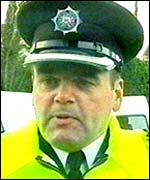
The cameras will be placed on roads where there is a history of speed-related accidents. Similar schemes in Britain have led to a 47% reduction in the number of those killed and injured near the camera sites. The scheme will be paid for with money raised through speeding fines. Superintendent Ian Hamill, head of the Police Service's Road Policing Development Branch said they wanted to reduce road deaths and serious injuries by one third. "I strongly believe that the introduction of the fixed camera scheme will make a significant impact and reduce the numbers of people killed and injured on our roads," he said. Superintendent Hamill said the PSNI would be the first force to use the new digital cameras which represent the most advanced technology available in the UK. He said the PSNI were also considering a number of other technologies including "speed over distance" cameras.
If the average speed is above the limit, the motorist would receive a fixed penalty notice. Superintendent Hamill said that 30,000 motorists had been detected for speeding in Northern Ireland last year. "Thirty thousand who ignored advice not to speed, 30,000 who ignored the carnage on the roads. "We will be very strong on this. Motorists have had the advice and they have seen the TV advertisements. "If they continue to ignore it we will catch them and they will pay the penalty. "This is about making the roads of Northern Ireland safer for everyone to use, that is the bottom line." Northern Ireland Environment Minister Angela Smith also attended the campaign launch. She said: "I have no doubt that the extra safety cameras announced by the PSNI will bring about a dramatic reduction in speed-related collisions." Police will widely publicise the fixed camera locations, while mobile units operating from the back of vans will work in conjunction on nearby roads. | |
See also:  27 Jan 03 | N Ireland 22 Jan 03 | N Ireland 22 Jan 03 | N Ireland 21 Jan 03 | N Ireland 18 Jan 03 | N Ireland Top N Ireland stories now: Links to more N Ireland stories are at the foot of the page. | ||||||||||||||||||||||||||||||||||||||||||||||||||||||||||||||||||||||||||||||||||||||||||||||||||||||||||||||||||||||||
 | |
|  E-mail this story to a friend E-mail this story to a friend |
| |
| Links to more N Ireland stories |
| | | ||
 | ||||
 | | Back to top
| ||
| ---------------------------------------------------------------------------------- To BBC Sport>> | To BBC Weather>> | To BBC World Service>> ---------------------------------------------------------------------------------- © MMIII | News Sources | Privacy |





 I have no doubt that the extra safety cameras will bring about a dramatic reduction in speed-related collisions