|
 |
 | | | | | | ||||||||||||||||||||||||||||||||||||||||||||||||||||||||||||||||||||||||||||||||||||||||||||||||||||||||||||||||||||||||||||||||||||||||||||||||||||||||||||||||||||||||||
| | | You are in: UK: England | ||||||||||||||||||||||||||||||||||||||||||||||||||||||||||||||||||||||||||||||||||||||||||||||||||||||||||||||||||||||||||||||||||||||||||||||||||||||||||||||||||||||||||||
|
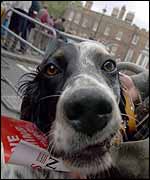
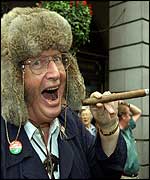
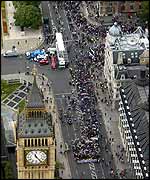
| | Sunday, 22 September, 2002, 16:04 GMT 17:04 UK Thousands march for countryside 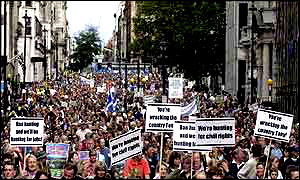 Protesters fill the streets in central London Thousands of people from across the East Midlands were among the 300,000 people who marched through central London to highlight the needs of rural communities. Coaches and special trains took protesters from Derbyshire, Leicestershire, Lincolnshire and Nottinghamshire to London. The main focus of the protest is opposition to a ban on hunting with dogs in England and Wales, but a wide range of other grievances from rural communities are also being linked with the demonstration. Hunting horns and whistles echoed around Hyde Park as tens of thousands of protesters mingled with a handful of bemused tourists and disgruntled joggers. While many carried banners proclaiming: "Buy British food", "Save our farms" or "Town and country not town over country", these were far out-numbered by pro-hunt slogans. Although the march started almost exactly on schedule at 1000 BST, crowds were such that there were still large numbers of people queuing to start the official route more than two hours later. Noisy but peaceful And a jazz band entertaining people in Hyde Park was almost drowned out by the whistles and horns. A second march embarking from Blackfriars Bridge was quieter, with farming issues the main concern of many taking part, according to some participants.
Both marches were due to converge on the heart of government at Whitehall, where about 150 anti-hunt supporters were also staging a peaceful protest in a cordoned-off area of Parliament Square. Police had expected the event, officially called the march for liberty and livelihoods, to be the biggest demonstration in the capital in recent years, and had drafted in 1,600 extra officers to police it. More than 2,500 coaches and 31 specially chartered trains carried protesters to London. 'Delighted by turnout' The marches were organised by the Countryside Alliance, formed originally to oppose a ban on fox hunting and other forms of hunting with dogs. However, the organisation says it represents all rural people who feel their way of life is under threat.
The alliance's chief executive Richard Burge said he was overwhelmed by the huge turn-out, and was proud to see history being made. "This is a march for the people and by the people and not simply rural people. "The strength of support, not just from the countryside, but from towns and cities across the UK makes us feel both humble and proud." However animal welfare campaigners said the large turn-out did not necessarily show public support for hunting. Douglas Batchelor of the League Against Cruel Sports said: "This march has been promoted as many things - as a march for Post Offices and affordable housing, as an anti-government march, as well as about hunting with dogs. "There will be many people on the march who do not support hunting." Among these was protester Paul McNally, 40, of Westminster, who said he was disgusted by the march.
"Some of the rural issues we agree with but we are against hunting, this is a political movement, these people are not poor farm labourers they are wealthy people who want to protect a cruel sport," he said. Earlier on Sunday, rural affairs minister Alun Michael said the government would be bringing forward proposals on hunting "within weeks". But the Countryside Alliance warned it would watch "like a hawk" any government's action on hunting. Worldwide interest March supporters have flown in from New Zealand, Australia, Canada, the US and across Europe. Farmers Ted and Sue Olsen, on holiday from their home in South Australia, said they had joined the march to show their solidarity with Britain's farmers.
Sue Olsen, 52, said: "What's happening to British agriculture is the same process we went through 15 years ago in Australia. Our government didn't listen to us but hopefully your government will listen to these people." Another tourist, Wenyan Jo, of China, was less prepared. "I never expected to see this here," she told BBC News Online as she emerged from Westminster tube station to be confronted by thousands of countryside protesters. "I came to see Big Ben - but this is more exciting. "It is great everyone has their own opinions." Tory party leader Iain Duncan Smith was marching, as was Weakest Link presenter Anne Robinson. The event had been planned for last year, but was postponed by the foot-and-mouth outbreak. | |
See also:  22 Sep 02 | Scotland 22 Sep 02 | Wales 10 Sep 02 | Politics 21 Mar 02 | Politics Internet links: The BBC is not responsible for the content of external internet sites Top England stories now: Links to more England stories are at the foot of the page. | ||||||||||||||||||||||||||||||||||||||||||||||||||||||||||||||||||||||||||||||||||||||||||||||||||||||||||||||||||||||||||||||||||||||||||||||||||||||||||||||||||||||||||
| |
|  E-mail this story to a friend E-mail this story to a friend |
| |
| Links to more England stories |
| | | ||
 | ||||
 | | Back to top
| ||
| ---------------------------------------------------------------------------------- To BBC Sport>> | To BBC Weather>> | To BBC World Service>> ---------------------------------------------------------------------------------- © MMIII | News Sources | Privacy |