|
 |
 | | | | | | ||||||||||||||||||||||||||||||||||||||||||||||||||||||||||||||||||||||||||||||||||||||||||||||||||||||||||||||||||||||||||||||||||||
| | | You are in: UK | ||||||||||||||||||||||||||||||||||||||||||||||||||||||||||||||||||||||||||||||||||||||||||||||||||||||||||||||||||||||||||||||||||||||
|
| | Saturday, 21 September, 2002, 23:20 GMT 00:20 UK Farmers broaden their horizons 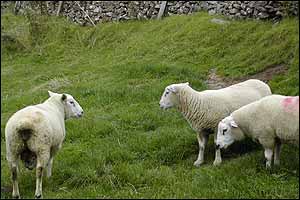 Farming alone no longer pays

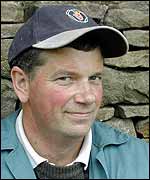
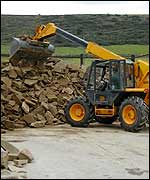
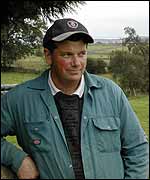
His 250-acre farm in the Peak District is too big to run part-time, yet too small to yield a full-time wage. So he decided to diversify, as farmers these days are encouraged to do. But into what? As his land is too high above sea level for many crops to thrive, why not make a virtue of the craggy landscape? In demand Mr Elliott has converted a high field into a quarry to supply the local stone - a traditional material - to the building trade. There is much demand in these parts for dry stone walling, be it new garden walls or repairing tumbledown boundaries, and for barn conversions.
But with all the outlays involved in setting up for stone extraction (planning permission alone took a large hunk out of his income), the landscape once again provided inspiration for another moneymaking venture - this time, tourism. Six weeks ago, Mr Elliott opened his gates to the Caravan Club. In a field near his barn he has installed five spaces for those touring the Peaks. So far, he has had 12 paying guests at �6 a night. "It cost me about �2,500 to put in the caravan spaces and I figure it will have paid for itself within two years. Maybe even faster than that - already the word-of-mouth has started to spread."
Should it all come together, Mr Elliott hopes these new ventures will enable him and his son to stay on the land.
It is an approach to farming - manageable scale, traditional methods - that the Peak Park Board is keen to encourage; otherwise the beauty of the area will be whittled away by increasingly big players. The board wants to implement a scheme that will allow farmers to forfeit the subsidies currently paid on livestock, and instead receive funding for conserving the traditional features on their land. "Look at that view," Mr Elliott says, indicating the craggy peaks which smooth into green fields dotted with grazing livestock, sturdy trees and the dry stone walls that crisscross the national park. "The people that come here say that that is exactly what they come to the countryside for. We have to conserve that." Plea to be heard In nearby Stoney Middleton, another farming family is preparing to fight for the country life.
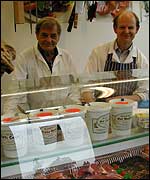
James Hancock, a butcher who spends his weekends working on the family farm, will be marching under a banner that reads "Kill the traditions, kill the countryside". What does he hope the march will achieve? "I want to highlight that the countryside is living and that there are people who care for it. As it is, schools and shops are struggling to survive, services are neglected, and young people are being forced into estates in the towns because houses are being bought up by wealthy retirees. "I just hope that our voices are heard." | |
Top UK stories now:  Links to more UK stories are at the foot of the page. | ||||||||||||||||||||||||||||||||||||||||||||||||||||||||||||||||||||||||||||||||||||||||||||||||||||||||||||||||||||||||||||||||||||
| |
|  E-mail this story to a friend E-mail this story to a friend |
| |
| Links to more UK stories |
| | | ||
 | ||||
 | | Back to top
| ||
| ---------------------------------------------------------------------------------- To BBC Sport>> | To BBC Weather>> | To BBC World Service>> ---------------------------------------------------------------------------------- © MMIII | News Sources | Privacy |