
|
 |
 | | | | | | |||||||||||||||||||||||||||||||||||||||||||||||||||||||||||||||||||||||||||||||||||||||||||||||||||||||||||||||||||||||||||||||||||
| | | You are in: UK | |||||||||||||||||||||||||||||||||||||||||||||||||||||||||||||||||||||||||||||||||||||||||||||||||||||||||||||||||||||||||||||||||||||
|
| | Tuesday, 11 February, 2003, 11:57 GMT Preparing for congestion  London streets now bear congestion charge signs
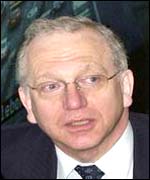
Are you for or against The Charge? On 17 February, for the first time, drivers will have to pay to use congested roads under a system that has never been tried before. London's congestion charging scheme has been designed, by among others, Derek Turner, London's Head of Street Management. He has been preparing for this moment for 24 years, having written his first paper on congestion charging back in 1979.
He says: "Most Londoners and most people visiting London are law-abiding so they'll pay. "I have no doubts that during the first few days of operation it's going to be pretty strange, but after a few weeks people will have settled down and you really are going to see the benefits of a reduction in traffic to school holiday levels." Belief in the technology Those who do not pay in advance and drive into the zone risk an �80 fine. Many find it hard to believe the technology will work. The cameras will take four still black and white pictures a second of each lane coming in and leaving the charge area. Infra-red reflections are used to pick out the number plates. In micro-seconds the software is able to recognise the numbers and letters of a registration, and turn them into computer data. This is compared, each night, with the list of those who have paid.
When I watched it in action, the computer correctly identified 33 numbers in a row before failing to recognise the registration number of a taxi, which was exempt anyway. Seeking perfection But it is not perfect. Some plates will have to be identified manually by people working at a second secret centre somewhere in London. Though the city's residents are paying their wages, we are not allowed to know where. From time to time the computers wrongly pick out car radiator grilles - BMWs in particular are a problem, lettering on the side of vans, and some roof racks. A Transport For London PR man checked my tape recorder was switched off before explaining that cars that switch lanes at the right spot may not be picked up, along with those that 'tail-gate' other drivers. Some drivers are frantically working out ways to avoid the cameras. One group is planning to make up an extra set of number plates to stick on the front and rear of their cars. To ensure they are not accused of breaking the law by showing a false registration they are using words like "NOFIVER" or "RICHER". Transport For London says the software will still pick out individual plates, so there is a good chance of getting caught. Either way human checkers will easily spot which plate is false and the police say they will stop anyone with an extra number plate. Blacking number plates Another man is selling an LCD film that goes over the numberplate, which can be turned black at the flick of a switch. But, like having false plates, this device is illegal. Charge officials are curiously relaxed about the idea of some drivers getting away with it. Mr Turner says: "We are not looking for 100% enforcement. Even murder is not enforced 100% of the time, yet the murder laws are as strong as they've ever been." He says the cameras are not there to collect the charge. They just have to catch enough non-payers to make most people believe it is not worth the risk. Parking fines are the obvious comparison. The chance of getting a ticket is simply too high for most people to park illegally. So what else could go wrong? When a similar scheme launched in Melbourne, Australia in 1999 the call centre handling payments crashed, and the whole scheme was shut down for several months. Mr Turner says this will not happen in London: "In Melbourne they only let you pay before you go into the zone so the centre gets all its calls in the morning. "In London we'll let you pay right up to 10pm to spread the load." Weak point The call centre will be run by Capita, a company with several black marks to its name, including the botched system for vetting teachers. Capita will have 800 staff standing by on day one, but there are also anti-charge campaigners ready to block the lines, pretending to order Chinese food, or deliberately misunderstanding the payment system. Destroying the scheme by non-co-operation will prove difficult. Only 15% of London commuters drive into the centre, so the charge will only affect a tiny minority, unlike the poll tax which affected everyone. The scheme was designed to cut traffic in central London by up to 17%. But it may increase traffic around the fringes of the zone by 10%. This could bring the area round the zone to a standstill. It is estimated that 5,000 drivers will switch to the Tube and another 15,000 to the buses, both of which are already over-crowded during the rush hour. If congestion charging does not work, a political backlash will not be far away, and Ken Livingstone's chances of re-election may depend on its success. | |  
 Top UK stories now: Links to more UK stories are at the foot of the page. | |||||||||||||||||||||||||||||||||||||||||||||||||||||||||||||||||||||||||||||||||||||||||||||||||||||||||||||||||||||||||||||||||||
 | |
|  E-mail this story to a friend E-mail this story to a friend |
| |
| Links to more UK stories |
| | | ||
 | ||||
 | | Back to top
| ||
| ---------------------------------------------------------------------------------- To BBC Sport>> | To BBC Weather>> | To BBC World Service>> ---------------------------------------------------------------------------------- © MMIII | News Sources | Privacy |






 Most Londoners and most people visiting London are law-abiding so they'll pay.


 63.39%
  36.61%