|
 |
 | | | | | | ||||||||||||||||||||||||||||||||||||||||||||||||||||||||||||||||||||||||||||||||||||||||||
| | | You are in: UK | ||||||||||||||||||||||||||||||||||||||||||||||||||||||||||||||||||||||||||||||||||||||||||||
|
| | Tuesday, 14 January, 2003, 12:02 GMT Gower Save Our Sands  Horton beach, Gower, 1960s 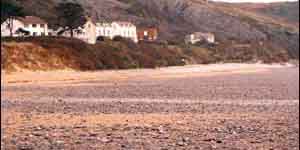 Horton beach, Gower, 1990s This web page is part of a BBC News Online effort to explore new ways of covering grassroots civic activity in the UK. We asked our users to tell us of their activities and chose a handful of these campaigns to follow over the next few months. If you want to know more about this experiment, please Gower Save Our Sands was established by local people worried by the implications of dredging for sand in the Gower area. This is what they say about their campaign: "Gower, a narrow peninsula jutting 25 kilometres west from Swansea into the Bristol Channel, was the first area in the whole of the UK to be designated an Area of Outstanding Natural Beauty. "Gower is unique. In its mild climate and diverse habitats, upwards of one thousand species of plant flourish, including a dozen types of orchid and the yellow whitlow grass, a plant found nowhere else in Britain. Its birdlife is more diverse than any other area of its size in Britain. "There are four National Nature Reserves, seventeen other nature reserves, twenty-seven Sites of Special Scientific Interest and fifty-five hectares of Heritage Coastline.
"For many visitors, however, the first and most obvious attraction is the southern coastline from Mumbles to Worms Head. Here the cliffs drop dramatically to the sea or, occasionally, open out into the sort of dune- or cliff-backed beaches of golden sand that are usually only seen in travel brochures. "They are a vital part of Gower's attraction; a vital part of the AONB and a vital part of the tourist economy. They are also under threat. "Dredging for sand from the Helwick Bank, a mile offshore from west Gower, has coincided with a noticeable reduction in the level of sand on some of the beaches, to a point where there is more rock than sand. Dredging has to stop "Scientific evidence is still inconclusive, but we are worried by the implications. We think that the 'precautionary principle' should apply: no more sand should be removed until it can be proved that dredging is not harming our beaches. If we wait until dredging is proved to be harmful, it will be too late. Once the sand has gone, it has gone for ever. "The National Assembly for Wales will make the final decision on permission to continue or to extend dredging. If Gower is to remain an Area of Outstanding Natural Beauty, then we must use this opportunity to influence the democratic decision". Are you doing something similar in a different part of the country? Do you disagree with the campaigners? Do you have any suggestions for them? Would you like to contact them? Send your comments and suggestions using the form below. We will pass your messages on to the campaigners and will publish some of them online. Disclaimer: The BBC will put up as many of your comments as possible but we cannot guarantee that all e-mails will be published. The BBC reserves the right to edit comments that are published. | |
Internet links:  The BBC is not responsible for the content of external internet sites Top UK stories now: Links to more UK stories are at the foot of the page. | ||||||||||||||||||||||||||||||||||||||||||||||||||||||||||||||||||||||||||||||||||||||||||
 | |
|  E-mail this story to a friend E-mail this story to a friend |
| |
| Links to more UK stories |
| | | ||
 | ||||
 | | Back to top
| ||
| ---------------------------------------------------------------------------------- To BBC Sport>> | To BBC Weather>> | To BBC World Service>> ---------------------------------------------------------------------------------- © MMIII | News Sources | Privacy |