|
 |
 | | | | | | |||||||||||||||||||||||||||||||||||||||||||||||||||||||||||||||||||||||||||||||||||||||||||||||||||||||||||||||||||||||||
| | | You are in: UK | |||||||||||||||||||||||||||||||||||||||||||||||||||||||||||||||||||||||||||||||||||||||||||||||||||||||||||||||||||||||||||
|
| | Monday, 9 December, 2002, 16:23 GMT Criminal justice under scrutiny 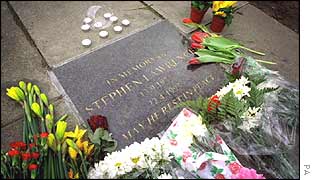 Stephen Lawrence was killed in a racist attack in 1993
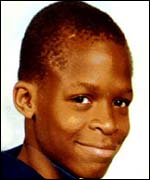
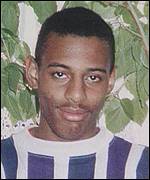
At first sight, the similarities between the cases of Damilola Taylor and Stephen Lawrence seem clear. A black youth stabbed to death in south-east London; a lengthy and difficult police investigation; suspects charged and prosecuted, but cleared of the murder. There, however, the parallels end.
In contrast, the police inquiry into Damilola's death was a textbook operation in terms of community, family and media liaison. Until the four teenage suspects were charged, detectives - in difficult circumstances - had conducted affairs with sensitivity and rigour. Investigation failings The report said: "The importance of the case was identified at the outset and the primary investigation was innovative, committed and well-resourced." Where sloppy police work and institutional racism were identified as major factors which contributed to the failure of the Lawrence prosecution, these were not to blame for the problems in the Damilola case.
The report said police numbers were scaled down at a crucial stage during the investigation - as the prosecution was preparing to take the case to trial. This affected the ability of detectives to deal with key evidence - alleged cell confessions, mobile phone calls made by the defendants and the forensic examination of their footwear. Unlike the MacPherson report into the Lawrence investigation, the team studying Damilola's case highlighted concerns with the criminal justice system itself, in particular the rules governing what can and can't be put before a jury as evidence. Important lessons Three pieces of evidence were ruled inadmissible by the trial judge. Although the report said that each ruling could be explained in isolation, the cumulative effect illustrated "how the rules of the Court can sometimes prevent critical issues being examined by the jury".
The recommendations extended far beyond the initial police investigation and affected general policing issues, training, race relations and other public bodies. The investigation into Damilola Taylor's murder built on the foundations laid by MacPherson; the report published on Monday focused on the failings of that investigation - a smaller exercise, less significant in breadth perhaps, but no less important in its implications for day-to-day police work. | |
See also:  09 Dec 02 | UK 09 Dec 02 | UK 16 Jul 02 | UK 14 Sep 02 | England Internet links: The BBC is not responsible for the content of external internet sites Top UK stories now: Links to more UK stories are at the foot of the page. | |||||||||||||||||||||||||||||||||||||||||||||||||||||||||||||||||||||||||||||||||||||||||||||||||||||||||||||||||||||||||
| |
|  E-mail this story to a friend E-mail this story to a friend |
| |
| Links to more UK stories |
| | | ||
 | ||||
 | | Back to top
| ||
| ---------------------------------------------------------------------------------- To BBC Sport>> | To BBC Weather>> | To BBC World Service>> ---------------------------------------------------------------------------------- © MMIII | News Sources | Privacy |