|
 |
 | | | | | | ||||||||||||||||||||||||||||||||||||||||||||||||||||||||||||||||||||||||||||||||||||||||||||||||||||||||||
| | | You are in: UK | ||||||||||||||||||||||||||||||||||||||||||||||||||||||||||||||||||||||||||||||||||||||||||||||||||||||||||||
|
| | Monday, 12 August, 2002, 12:19 GMT 13:19 UK Soon all this could be railway (again) 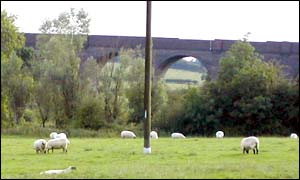
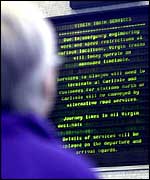
 Passengers to and from the capital had to break their train journey by switching to a replacement coach service between Hemel Hempstead and Milton Keynes.
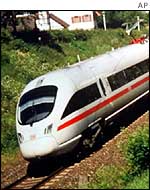
It doesn't stop there. The replacement bus service will continue at weekends almost until Christmas, as part of upgrading work to the West Coast Main Line. The entire modernisation programme is due to finish in 2004, clearing the way for a new generation of 125mph tilting trains. But even then journey times will pale in comparison with those of our continental cousins, where express trains frequently nudge the 200mph mark.
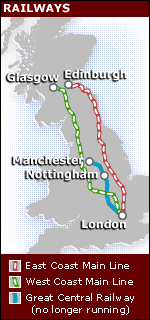
So what do they have that we don't? Simple - dedicated, high speed lines, custom-built to get the most out of lightning-fast modern trains. Britain is alone among major European countries in lacking a high-speed line, although the Channel Tunnel rail link between Folkestone and London, which is under construction, will change that. But in our long and narrow country it is the north-south route that seems the most obvious choice for better rail links. The two main rail arteries that run north-south today - the West Coast Main Line and East Coast Main Line - are hangovers of the Victorian era. While there has been some modernisation, the routes are hampered by local rail services and the lines are not straight enough for the new breed of super-fast trains. However, the Strategic Rail Authority, which plans the railway's future, has been looking into the commercial viability of a purpose-built 225mph track from London to the North. Later this year it will publish a report on the subject.
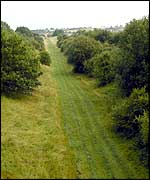
Torn up in the mid-1960s as part of Dr Richard Beeching's reforms, the route of the old central railway still cuts a recognisable swathe through the English countryside. The line, which was completed in 1899, linked Manchester with London. Although the SRA will not say whether the old route forms part of its plans for a 21st Century high-speed link, rail expert Christian Wolmar believes it makes sense. Ironing out "The problem is its curves - these would need to be flattened out. But I would say it's highly likely that parts of a line like this would be used," he says.
A few smaller railways have been resurrected recently, such as the Nottingham to Worksop line, and others are being considered. In fact the idea of breathing new life into the old Great Central Railway is not new. Plans for a dedicated freight railway, linking Liverpool with the continent, have been around for more than 10 years. Opposition to plans Although the project was rejected by Parliament in 1996, its backer - Central Railway PLC - is trying again.
"The landscape is already organised around the railway even though the railway's not there anymore. Many of the utilities, such as drains, electricity and telephone wires, are already concentrated at crossing points. They are embedded in the bridges." But not everyone is keen to see the old railway revived. Those who live close to the abandoned line, such as Peter Burns and Sue Wallace, fear the disruption and environmental damage. Today the old railway, which sits at the foot of their garden, just outside the village of Helmdon in Northamptonshire, is a picture of rural tranquillity. Sold off by British Rail, this stretch was divided up among local farmers.
"The whole village is totally opposed to the plan," says Mr Burns, chairman of Helmdon parish council. "Environmentally it would be a disaster," Ms Wallace adds. "This place would be turned into a construction site for years." With a consortium of 20 local authorities also ranged against the project, it seems the old Great Central Railway's resurrection is far from certain. Some of your comments so far: About time! Its a disgrace that as pioneers of railways, we have let our infrastructure decay to such a shocking state. Given the chance, the Great Central would be a fantastic route. The existing bridges and infrastructure are also built to the continental loading gauge, so it would be possible to fit trains from all over Europe down the line. Well, it isn't going to work. For one thing, a stretch of the GCR line between Leicester and Nottinghman is owned and in use - it's a steam revival railway. You may even have noticed the Phil Collins film Buster and John Thaw's Goodnight Mr Tom filmed here. The former GCR main line route served hardly any place of importance between Rugby and London, which was one of the reasons it was closed in 1966. Ironically that is now one of the reasons which make the route attractive. But major structures such as Brackley Viaduct would need to be rebuilt and the long tunnel at Catesby might also need attention. Also although the GCR had its own London terminus at Marylebone it was only able to reach it thanks to agreements to run over other companies lines. Those other lines no longer have the capacity to accept the additional traffic that would travel along a rebuilt GCR route. What an excellent idea. In this overcrowded island of ours this is a badly needed project that would cause the least problems. I can only hope this will happen. Surely improving the rail network in this way would ease the load on the struggling road network? If a north-south rail link was put in for freight, this could get a lot of the lorries off the roads, easing congestion. Do we actually "need" a 200mph train service? I know I don't particularly care for one. I'd rather have countryside to visit when I need to get away from the hustle and bustle of working life. Forget overground travel systems, why not take a look at what the Swiss are doing. They are looking to go underground with the SwissMetro scheme. It's an underground system that relies in part on a vacuum to move a vehicle through a pressurised tunnel at very high speeds. Yet again missing the point. Surely, it is better to sort out the local transport. This has an immediate impact on peoples lives. London to Leeds in under 1.5 hours, but it still takes as long get to work when the distance is only a few miles. Having spent the last three years enjoying rail holidays in Europe the best way to get from city to city is via high-speed train. Even Portugal, which is almost entirely Objective One funding status, has a high-speed link between Lisbon and Porto. Why do we keep following the American way of the car and the plane | | See also:  18 Jun 02 | Rob on the road 24 Jul 02 | UK 26 Jun 02 | UK 06 Jun 02 | UK 15 Jan 02 | Right Track Wrong Track Internet links: The BBC is not responsible for the content of external internet sites Top UK stories now: Links to more UK stories are at the foot of the page. | ||||||||||||||||||||||||||||||||||||||||||||||||||||||||||||||||||||||||||||||||||||||||||||||||||||||||||
| |
|  E-mail this story to a friend E-mail this story to a friend |
| |
| Links to more UK stories |
| | | ||
 | ||||
 | | Back to top
| ||
| ---------------------------------------------------------------------------------- To BBC Sport>> | To BBC Weather>> | To BBC World Service>> ---------------------------------------------------------------------------------- © MMIII | News Sources | Privacy |