|
 |
 | | | | | | |||||||||||||||||||||||||||||||||||||||||||||||||||||||||||||||||||||||||||||||||||||||||||||||||||||||||||||||||||||||||||||||||||||||||||||||||||||||||||||||||||||||||||||||||||||||||||||||
| | | You are in: Programmes: Working Lunch: Rob on the road | |||||||||||||||||||||||||||||||||||||||||||||||||||||||||||||||||||||||||||||||||||||||||||||||||||||||||||||||||||||||||||||||||||||||||||||||||||||||||||||||||||||||||||||||||||||||||||||||||
|
| |  Tuesday, 18 June, 2002, 09:28 GMT 10:28 UK Tuesday, 18 June, 2002, 09:28 GMT 10:28 UK Fast track to the Scottish Borders 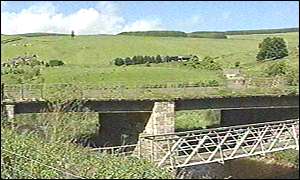 A new rail line hopes to boost the area's economy The UK's railway system is in crisis - complaints and concerns about safety, punctuality and cleanliness are on the rise. But one area of the country has its own particular problem. The Scottish Borders is the largest area in Europe without a rail service, since the 90-mile Carlisle to Edinburgh link was closed down in 1969. That could all change now, with plans to reopen the line, creating hundreds of jobs and boosting tourism and the economy. The proposed route of the Waverley Line will be announced later this month when public consultation will begin. If the project is approved by the Scottish Parliament, work could start in 2005, with the line coming into operation three years later. Service halted The North British Railway Company completed the Edinburgh to Galashiels line in 1849, and took the link to Carlisle in 1862. Investment in the service was halted 100 years later when reports concluded it did not serve a social need. It was axed in January 1969. Much of the track has been lifted and some of the bridges knocked down but the path of the line can still be followed. Stagnant The campaign for reinstatement has grown in recent years. Feasibility studies have been carried out and campaigners have met politicians and business leaders to discuss funding.
The current proposal, costing �73m, involves reinstating the line between Galashiels and Edinburgh. The argument is, that this is much more than a transport issue. It could also have economic, social and environmental implications for an area that has stagnated somewhat since the line closed. Economy boost Edinburgh is booming and expected to create 25,000 jobs over the next 15 years. Reinstating the railway line would help open up the employment market in the Borders too. John Scott is leader of the Scottish Borders Council and one of the most prominent campaigners. He says: "It's not a lot of money when you think this is going to make this area part of Edinburgh. "It will be money well spent and will boost the economy of this area like never before." Hurdles There are hurdles to overcome. While most of the line is still relatively clear, some of it has been built upon. Jim Kirkness lives in a house in the village of Stow, which sits squarely on the old route. He believes the political imperative outweighs the consumer demand, and is fighting to keep his home. Benefit The pro-railway lobby accept that there will be some casualties but seem determined to push the project through. Businessmen like Richard Landale, who runs Kelso racecourse, welcome the initiative. "It will help us with sponsors, it will help us with attendance, it will just put us on the map," he says. "It's going to be a huge benefit to the whole of the Borders." Timber transport Former Tomorrow's World presenter and rail enthusiast Bob Symes is pleased with the momentum the campaign has gained. In the 1970s, he set up the Border Union Railway to try to reopen the line. His company's plans involved a freight link from Carlisle and a scheme to include an oil pipeline along part of the route. It was eventually thwarted by political inertia but he believes the project could have been successful. "It was going to make its living off freight," says Bob. The plan was to run the line through Kielder Forest to transport timber. "We had rolling stock and the possibility of electrifying the section from Carlisle to Kielder. "We expected to start off with one timber train a week and work up to three trains a day. "It was an interesting experiment, but I presume I would have lost a lot of money for some time." Funding Although the current proposal is for a passenger service between Galashiels and Edinburgh, it is hoped the new line will eventually go all the way to Carlisle. Local MPs have been meeting Richard Bowker, chairman of the Strategic Rail Authority, to press for the full route to be included in a wide-ranging review of UK freight requirements later this year. Once approval for the first stage has been given, the next step is to raise funding, most of which will come from the public sector. The scheme was given a boost with the recent launch of the Crossrail service in Edinburgh. This includes a mile of track that was formerly restricted to freight and will play a vital role in the Waverley Line's success. The building of the line could create 900 jobs over the next few years but perhaps more importantly, it will make the Borders accessible. A train journey to Edinburgh could take 45 minutes, compared with 90 minutes by bus. | |
| |||||||||||||||||||||||||||||||||||||||||||||||||||||||||||||||||||||||||||||||||||||||||||||||||||||||||||||||||||||||||||||||||||||||||||||||||||||||||||||||||||||||||||||||||||||||||||||||
|  |
|  E-mail this story to a friend E-mail this story to a friend |
|  |
| Links to more Rob on the road stories |
| | | ||
 | ||||
 | | Back to top
| ||
| ---------------------------------------------------------------------------------- To BBC Sport>> | To BBC Weather>> | To BBC World Service>> ---------------------------------------------------------------------------------- © MMIII | News Sources | Privacy |