|
 |
 | | | | | | ||||||||||||||||||||||||||||||||||||||||||||||||||||||||||||||||||||||||||||||||||||||||||
| | | You are in: UK | ||||||||||||||||||||||||||||||||||||||||||||||||||||||||||||||||||||||||||||||||||||||||||||
|
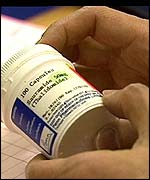
| | Friday, 7 June, 2002, 14:43 GMT 15:43 UK Thalidomide: 40 years on Geoff Adams-Spink provides a personal insight It is 40 years since the world woke up to the horror of thalidomide. In a special Radio 4 documentary, Geoff Adams-Spink, who was himself directly affected by the drug, examines the issues. In the late 1950s and 1960s pregnant women across the globe reached for a recommended remedy for bouts of morning sickness - thalidomide. They had no idea how this, "chemical shrapnel", as it has since been called, would affect the lives of their unborn children.
Around 10,000 babies were born with disabilities as a result of their mothers taking the thalidomide drug. Just under half of those survived - 456 of them in the UK. In 1962, a Belgian woman was found not guilty of murdering her thalidomide baby. There was much celebration in Li�ge when she and her co-accused - her mother, sister, husband and the family doctor - walked free. Difficult memories
I had a more fortunate start in life, though my mother, too, was initially numbed. I was born with very short arms, no right eye and 10 per cent vision in my left eye. My mother had taken one thalidomide tablet. "When you were born it was a very big shock. In fact for the first three days I didn't really want to know," my mother admitted. Apparently it was my father who insisted that I would need more love than all of the others - I am the youngest of four. "I realised I was being very selfish and that I shouldn't do this," she told me. Discovering the dangers It took some time for evidence of birth defects to be linked to thalidomide. One of the lesser known heroes of the thalidomide story was a young German lawyer, Karl Schulte-Hillen. His wife and sister had both given birth to deformed children so he began to suspect that an environmental factor linked the two.
He approached Professor Widukind Lenz, a paediatric specialist in Hamburg, who agreed to pursue the matter. Lenz's suspicions soon settled on thalidomide, but he needed more evidence. Schulte-Hillen's thalidomide son, Jan - now a doctor himself - recalls the detective work undertaken by Schulte-Hillen senior and Lenz: "My father and Dr Lenz drove all over Germany in an old Volkswagen. They showed people pictures of my cousin and of me and they asked people if they knew of anyone who'd given birth to similar babies. "My father would tell them not to be ashamed - that these were pictures of his own child and niece. In many cases people had simply hidden their children away." It was eventually established that around 2,500 thalidomide babies were born in Germany. A "harmless sedative" The drug was not only administered as a treatment for morning sickness: it was also marketed as a "harmless" sedative. Margaret Yendell had taken it following a nervous breakdown. When she gave birth to a son without arms, health professionals didn't think that she could stand the shock.
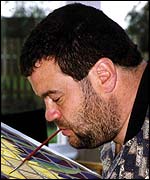
Margaret left hospital without her son, Tom, who was taken off to a children's home. "We never saw him," she recalls. "I was told 'you're not to have anything to do with this child at all'." "It must have been at least six months before we saw him," Margaret's husband, Jack, told me. "It was one of the saddest times of our lives." Now, Tom Yendell is a family man himself and an artist with his own gallery in Hampshire. Thalidomide returns Incredibly, Thalidomide staged a comeback that many people thought could never happen. In the 1960s it was discovered the drug had a radical effect on some of the painful symptoms of leprosy. In the 1980s, scientists once again became interested in the drug's complex properties and researchers began to explore its use in the treatment of a number of diseases, including cancer. Trials began in the 1990s and are now ongoing. Forty years later, I suppose many of us "thalidomiders" see ourselves as guardians of the drug's heritage - anxious that no scientists or medical practitioner should forget, and that pharmaceutical giants are held firmly in check. But for others - like my mother - the drug has taken on an almost demonic status. You can listen to Archive Hour: Thalidomide 40 years on presented by Geoff Adams-Spink on Radio Four on Saturday 8 June at 2000 BST | | See also:  08 Aug 01 | Health 25 Jan 01 | Health 25 Jan 01 | Health 02 Oct 00 | Health 04 Sep 00 | Health Internet links: The BBC is not responsible for the content of external internet sites Top UK stories now: Links to more UK stories are at the foot of the page. | ||||||||||||||||||||||||||||||||||||||||||||||||||||||||||||||||||||||||||||||||||||||||||
| |
|  E-mail this story to a friend E-mail this story to a friend |
| |
| Links to more UK stories |
| | | ||
 | ||||
 | | Back to top
| ||
| ---------------------------------------------------------------------------------- To BBC Sport>> | To BBC Weather>> | To BBC World Service>> ---------------------------------------------------------------------------------- © MMIII | News Sources | Privacy |