|
 |
 | | | | | | |||||||||||||||||||||||||||||||||||||||||||||||||||||||||||||||||||||||||||||||||||||||||||||||||||||||||||||||||||||||||||||||||||||||||||||||||||||||
| | | You are in: Technology | |||||||||||||||||||||||||||||||||||||||||||||||||||||||||||||||||||||||||||||||||||||||||||||||||||||||||||||||||||||||||||||||||||||||||||||||||||||||||
|
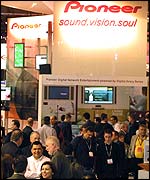
| | Saturday, 11 January, 2003, 09:26 GMT Future-gazing in Las Vegas  Thousands come to CES to see the latest gadgets
Could it be some kind of pocket-sized robot that would do things for you even before you thought of them? Or maybe it is a gadget the size of a mobile phone that would translate what you said into 250 different languages or dialects depending on who you were talking to. This was the challenge given to a panel of five heavyweight digital movers, shakers and thinkers assembled at the Consumer Electronics Show in Las Vegas. Memory banks The session was chaired by John Rennie, managing editor of the legendary Scientific American magazine, and included a man who had been President Clinton's advisor on high-speed computing and the next generation internet.
Instead the talk was about subjects such as remote storage banks, humans interacting with computers on their own terms and ultrawideband connectivity. The panel searched their memory banks to remember how things had changed over the past 15 years and they kept coming back to storage and processing power. Facial recognition One of them had the vision of a giant LCD panel that you might buy for around $2,000. You would take it home and hang it on the living room wall and it would do absolutely everything you wanted it to do for you. As you approached the door of the house, it would use facial recognition technology to let you in. Then it would ask you what it could do for you - make coffee, put on the latest episode of a soap or run a bath. It would be connected wirelessly to some massive remote storage bank of data and, hey presto, everything would be available on demand. This example reflects the changing the relationship between the person and the hardware. Push and wait The same panelist who gave birth to the idea of a giant screen also gave short shrift to the home computer of today. "Consumer applications are about pressing a button and the gadget, like a toaster or kettle, does exactly what you want it to do," he said. His description of the way a PC interacts was that "the user pushes the button and you wait". This vision of the future was about people taking more and more control over the technology, fuelled by massive storage potential and incredibly powerful processors. An example came up about how this could be used in education. You would use digital library technology - huge remote databases of archive material with massive educational potential, linked to advanced, virtual reality technology in schools and colleges. Chipped future A final thought was about implanting chips in the human body for one reason or another. The question was whether this might be something most people would choose to do in the future. It seems improbable that people would opt for being "trackable" every minute of the day. But would parents consider having implants put in children at birth, so they can always know where they are? And what happens when the child is old enough to make up their own mind? | |
Top Technology stories now:  Links to more Technology stories are at the foot of the page. | |||||||||||||||||||||||||||||||||||||||||||||||||||||||||||||||||||||||||||||||||||||||||||||||||||||||||||||||||||||||||||||||||||||||||||||||||||||||
 | |
|  E-mail this story to a friend E-mail this story to a friend |
| |
| Links to more Technology stories |
| | | ||
 | ||||
 | | Back to top
| ||
| ---------------------------------------------------------------------------------- To BBC Sport>> | To BBC Weather>> | To BBC World Service>> ---------------------------------------------------------------------------------- © MMIII | News Sources | Privacy |