|
 |
 | | | | | | ||||||||||||||||||||||||||||||||||||||||||||||||||||||||||||||||||||||||||||||||||||||||||||||||||||||||||||||||||||||||||||||||||||||
| | | You are in: Technology | ||||||||||||||||||||||||||||||||||||||||||||||||||||||||||||||||||||||||||||||||||||||||||||||||||||||||||||||||||||||||||||||||||||||||
|
| | Tuesday, 17 December, 2002, 08:43 GMT Reality TV inspires hi-tech research 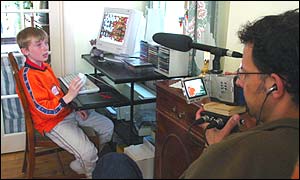 Families were constantly filmed for a week US researchers have turned to reality TV to find out what people really do with their gadgets. They have produced a fly-on-the-wall documentary about how families across the world get to grips with communication technologies like mobiles and e-mail. "We wanted to hear how the families experienced these technologies and bring these stories back to the people who design new products," said Dr Jay Melican, who led the year-long project. One of the things the team found was that teenagers in the West see mobile phones as a symbol of freedom from their parents. But young adults in developing countries like China saw mobiles in a far more serious light. Privacy invaded For the project, called On/Off, the team spent a week with families in Chicago, London, Recife in Brazil and Shanghai in China.
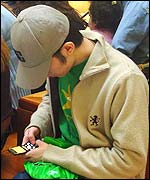
In each city, the researchers recorded the impact that mobile communication technologies have had on everyday lives. One of the key findings reflected how cultural differences influenced what people did with their technology. Growing pains Teenagers in the US and the UK saw mobiles as a rite of passage into adulthood. "They talked about e-mail and their mobile phones in terms of being able to be liberated from their parents," said Dr Melican of the Illinois Institute of Technology in Chicago. "It was a sense of independence to get a cellphone. They could go out at the weekend with their friends but their parents could stay in contact with them."
Instead he considered mobiles and computers as serious tools that would lead to future educational and professional success. The picture was similar in Brazil where the teenagers who took part in the study used mobiles to keep in touch with their closely-knit family. The researchers have summarised their findings in a film which they are showing to people involved in technology, from engineers to business leaders to anthropologists. The aim is to learn from how ordinary people use mobile technology so that products better suited for their needs can be developed. "We want to let them hear from average people who have these technologies embedded in their lives what it meant to them," explained Dr Melican. | | See also:  03 Dec 01 | Science/Nature 06 Oct 02 | Technology 20 Oct 02 | Technology 17 Jun 02 | Health 28 Jun 02 | Business Top Technology stories now: Links to more Technology stories are at the foot of the page. | ||||||||||||||||||||||||||||||||||||||||||||||||||||||||||||||||||||||||||||||||||||||||||||||||||||||||||||||||||||||||||||||||||||||
| |
|  E-mail this story to a friend E-mail this story to a friend |
| |
| Links to more Technology stories |
| | | ||
 | ||||
 | | Back to top
| ||
| ---------------------------------------------------------------------------------- To BBC Sport>> | To BBC Weather>> | To BBC World Service>> ---------------------------------------------------------------------------------- © MMIII | News Sources | Privacy |