|
 |
 | | | | | | |||||||||||||||||||||||||||||||||||||||||||||||||||||||||||||||||||||||||||||||||||||||||||||||||||||||||||||||||||||||||||||||||||||||||||||||||||||||||||||||
| | | You are in: South Asia | |||||||||||||||||||||||||||||||||||||||||||||||||||||||||||||||||||||||||||||||||||||||||||||||||||||||||||||||||||||||||||||||||||||||||||||||||||||||||||||||||
|
| | Monday, 10 February, 2003, 16:26 GMT India signs deal with tribal rebels  Assam has a long history of violent insurgency The Indian authorities have signed an agreement with a major insurgent group fighting for autonomy within the north-eastern Assam state.
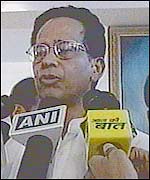
The agreement was signed in Delhi on Monday between senior officials of the Indian home ministry and leaders of the Bodoland Liberation Tiger Force (BLTF). India's Deputy Prime Minister LK Advani and Assam's Chief Minister Tarun Gogoi attended the signing ceremony. The accord sets up a Bodoland Territorial Council in Assam offering considerable local autonomy to more than 3,000 villages that are home to Bodo tribesmen. The agreement is aimed at bringing to an end a six-year old conflict in which thousands of people have been killed and wounded. 'Greater autonomy' Mr Gogoi was delighted with the agreement. "The accord is indeed a new year's gift for Assam and we hope this could go a long way in solving the state's vexed tribal insurgency," he said.
Mr Gogoi said he was determined to implement the accord so that the 1.6 million Bodos of Assam could enjoy self-rule without having to break up Assam. Mainao Daimari, a BLTF official, expressed similar optimism. "We can now decide our own future with the accord giving us more powers and greater autonomy," he said. Disagreements The new council will have 46 seats of which 30 are to be reserved for "scheduled tribes" and are expected to be filled by Bodos. The remaining seats would be distributed among other communities living in the Bodo area. However, not all Bodo groups are happy with the accord. The separatist National Democratic Front of Bodoland (NDFB) rejects the agreement. NDFB spokesman B Erakdao told the BBC the deal "fell far short of the Bodo aspiration for a separate, independent homeland," and so, his group would continue its armed struggle. Assam's strongest separatist group, the United Liberation Front of Assam (ULFA), has also rejected the accord. ULFA spokeswoman Ruby Bhuiyan told the BBC's Subir Bhaumik that "India had no right to draw boundaries and create new administrative arrangements within Assam." | | See also:  02 Jan 03 | South Asia 21 Dec 02 | South Asia 27 Nov 02 | South Asia 13 Aug 02 | South Asia 16 May 01 | South Asia 01 Dec 01 | South Asia Internet links: The BBC is not responsible for the content of external internet sites Top South Asia stories now: Links to more South Asia stories are at the foot of the page. | |||||||||||||||||||||||||||||||||||||||||||||||||||||||||||||||||||||||||||||||||||||||||||||||||||||||||||||||||||||||||||||||||||||||||||||||||||||||||||||||
 | |
|  E-mail this story to a friend E-mail this story to a friend |
| |
| Links to more South Asia stories |
| | | ||
 | ||||
 | | Back to top
| ||
| ---------------------------------------------------------------------------------- To BBC Sport>> | To BBC Weather>> | To BBC World Service>> ---------------------------------------------------------------------------------- © MMIII | News Sources | Privacy |




 The accord is indeed a new year's gift for Assam