|
 |
 | | | | | | ||||||||||||||||||||||||||||||||||||||||||||||||||||||||||||||||||||||||||||||||||||||||||||||||||||||||||||||||||||||||||||||||||||||||||||||||||||||||||||||||||||||||||||||||||||||||||
| | | You are in: South Asia | ||||||||||||||||||||||||||||||||||||||||||||||||||||||||||||||||||||||||||||||||||||||||||||||||||||||||||||||||||||||||||||||||||||||||||||||||||||||||||||||||||||||||||||||||||||||||||||
|
| | Thursday, 9 January, 2003, 12:10 GMT Refugee accord at Sri Lanka talks  Anton Balasingham (left) says rebels will not yet disarm
The agreement came at the end of four days of peace talks in Thailand.
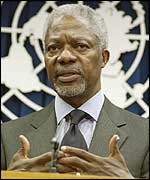
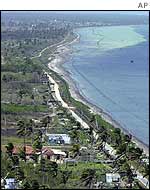
As the talks ended, it was announced that UN Secretary-General Kofi Annan would visit Sri Lanka next month to give his support to the peace process. Mr Annan's visit will be the first by a UN leader since 1967. He is expected to visit the northern Jaffna peninsula, where most of the country's 19-year civil war has been fought. Under pressure The refugee accord at the talks in Nakhon Pathom, near Bangkok, comes nearly a year after a permanent ceasefire in the conflict. Hundreds of thousands of Sri Lankans are still refugees in their own country, many living in squalid, overcrowded camps. The two sides have agreed to speed up the return of up to 250,000 people displaced from Jaffna.
Within the next month, detailed projects will be worked out to encourage resettlement, funds will be identified and the army will decide how to return homes and public buildings they are occupying to their owners. It is clear the Tamil Tigers feel they are under pressure to show immediate results to people who are still living in uncertainty and poverty, despite substantial progress towards a negotiated settlement. But there has been less concurrence on how to deal with sensitive military issues like de-escalation. An international military expert will report back to the negotiators on the problem of the high security zones. These are large areas cordoned off around military bases, where tens of thousands of people once lived. The army had called for the rebels to disarm before they allow refugees into these zones. Missing in action But the Tamil Tiger chief negotiator, Anton Balasingham, said the issue of disarmament did not arise until there was a final political settlement.
He said it would be suicidal for the Tigers to disarm now, because they needed their arms to bargain with the government from a position of strength. There has been some progress on human rights, with the Tigers repeating earlier commitments not to recruit child soldiers. Mr Balasingham and government chief negotiator GL Peiris agreed that the International Red Cross would investigate the issue of involuntary disappearances and soldiers missing in action. But it looks as if the focus is on preventing human rights abuses in the future rather than securing justice for those wronged in the past. | |
See also:  08 Jan 03 | South Asia 07 Jan 03 | South Asia Internet links: The BBC is not responsible for the content of external internet sites Top South Asia stories now: Links to more South Asia stories are at the foot of the page. | ||||||||||||||||||||||||||||||||||||||||||||||||||||||||||||||||||||||||||||||||||||||||||||||||||||||||||||||||||||||||||||||||||||||||||||||||||||||||||||||||||||||||||||||||||||||||||
 | |
|  E-mail this story to a friend E-mail this story to a friend |
| |
| Links to more South Asia stories |
| | | ||
 | ||||
 | | Back to top
| ||
| ---------------------------------------------------------------------------------- To BBC Sport>> | To BBC Weather>> | To BBC World Service>> ---------------------------------------------------------------------------------- © MMIII | News Sources | Privacy |