|
 |
 | | | | | | |||||||||||||||||||||||||||||||||||||||||||||||||||||||||||||||||||||||||||||||||||||||||||||||||||||||||||||||||||||||||||||||||||||||||||||||||||||||||||||||||||||||||||||||||||||||||||||||||||||||||||||||||
| | | You are in: South Asia | |||||||||||||||||||||||||||||||||||||||||||||||||||||||||||||||||||||||||||||||||||||||||||||||||||||||||||||||||||||||||||||||||||||||||||||||||||||||||||||||||||||||||||||||||||||||||||||||||||||||||||||||||||
|
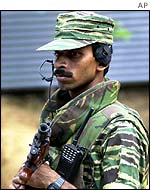
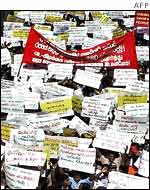
| | Thursday, 5 September, 2002, 05:47 GMT 06:47 UK Optimism over Sri Lanka peace 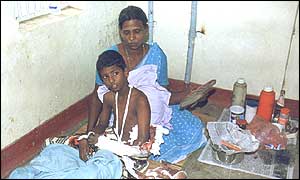 Tens of thousands have been killed or injured in war Sri Lankan Foreign Minister Tyrone Fernando has said that he believes the rebel Tamil Tigers are genuinely committed to finding a solution to the island's conflict, prior to talks between the two sides later this month.
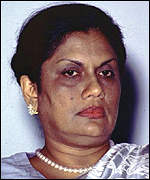
He also said that there would be no formal agenda for the discussions but that anything short of a separate Tamil state would be debated. The Tigers, one of the world's most ruthless rebel groups, have been fighting for an independent homeland for the island's minority Tamil community since 1983. Mr Fernando said: "We go on the basis that once they agreed to talks... it was a very significant move by them that they are seriously exploring the possibility of settling this problem other than through their demands for a separate state," he said. "I'm convinced they are certainly trying to [give up violence and] ... settle for something... They are under enormous pressure from their own people and so are we." The foreign minister also said that he hoped by bringing the rebel movement into "the democratic process" it would render violence "unnecessary". Talks due The rebels had insisted on recognition as a precondition for their attendance at the talks. The government - which originally promised to lift the four-year-old ban only in the days leading up to the negotiations - said it had taken the decision to do so earlier to express trust and confidence in the Tamil Tigers. The sides are due to meet in Thailand on 16 September for formal peace talks to try to end the bitter ethnic conflict, in which about 65,000 people have died. Presidential opposition In an initial reaction, Sri Lankan President Chandrika Kumaratunga said she would "go along" with the decision. However, Mrs Kumaratunga had previously made clear that she opposes lifting the ban.
Government moves in the Norwegian-mediated peace process have led to a deepening crisis between the president and prime minister, who are from opposing parties. The government has been discussing with her its plans to limit her powers to dissolve parliament, fearing she could use them to scupper any future peace deal the government reaches with the Tamil Tigers. The president met Prime Minister Ranil Wickramasinghe on Tuesday, but it was not clear if they had reached any agreement. Mrs Kumaratunga is reported to have warned the government on Monday that there were legal options open to her should the government remove the ban on the Tamil Tigers without her consent. Emotive issue The ban was imposed in 1998 after the Tigers attacked the Temple of the Tooth in Kandy, the holiest Buddhist shrine in Sri Lanka.
The BBC's Frances Harrison, reporting from rebel-held northern Sri Lanka, says the decision has been greeted with delight there. She adds that the move is hugely symbolic for the Tigers, although it is unlikely to make much practical difference. Under the terms of a ceasefire brokered by the Norwegians in February, the Tigers can already operate political offices in government-controlled territory. The rebels are still banned in some other countries, such as the US and the UK and India. It is thought unlikely they will lift the ban before peace talks make substantial progress. | |
See also:  05 Sep 02 | South Asia 03 Sep 02 | South Asia 01 Sep 02 | South Asia 30 Aug 02 | South Asia 07 Aug 02 | Crossing Continents Internet links: The BBC is not responsible for the content of external internet sites Top South Asia stories now: Links to more South Asia stories are at the foot of the page. | |||||||||||||||||||||||||||||||||||||||||||||||||||||||||||||||||||||||||||||||||||||||||||||||||||||||||||||||||||||||||||||||||||||||||||||||||||||||||||||||||||||||||||||||||||||||||||||||||||||||||||||||||
| |
|  E-mail this story to a friend E-mail this story to a friend |
| |
| Links to more South Asia stories |
| | | ||
 | ||||
 | | Back to top
| ||
| ---------------------------------------------------------------------------------- To BBC Sport>> | To BBC Weather>> | To BBC World Service>> ---------------------------------------------------------------------------------- © MMIII | News Sources | Privacy |