|
 |
 | | | | | | |||||||||||||||||||||||||||||||||||||||||||||||||||||||||||||||||||||||||||||||||||||||||||||||||||||||||||||||||||||||||||||||||||||||||||||||||||||||||||||||||||||||
| | | You are in: South Asia | |||||||||||||||||||||||||||||||||||||||||||||||||||||||||||||||||||||||||||||||||||||||||||||||||||||||||||||||||||||||||||||||||||||||||||||||||||||||||||||||||||||||||
|
| | Thursday, 22 August, 2002, 11:06 GMT 12:06 UK Nepal's tourism woes 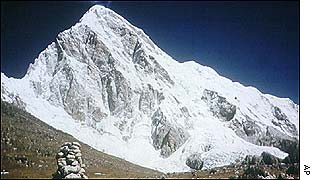 Nepal has been focusing on Everest to revive tourism The death of 18 people, including 15 tourists, in a plane crash in Nepal has struck a further blow to the country's struggling tourism industry. A Briton, an American and a group of Germans were among those killed when the Twin Otter aircraft owned by a private airline crashed in bad weather in a mountainous region to the west of the capital Kathmandu The plane was flying to the tourist town of Pokhara from Jomosom, a popular trekking route. Tourism is vital to the country's economy. Mountaineers, trekkers and holiday-makers have been Nepal's main foreign currency earner, bringing in about half a million visitors and $160m every year. But the massacre of Nepal's royal family in their palace in June 2001 and an escalation of the civil war with Maoist revolutionaries has scared foreigners way. Lure of the mountains This year, the country launched a year-long celebration focusing on Mount Everest in an attempt to bring the tourists back. The celebration was launched on Everest Day in May, which commemorates the first ascent of the world's highest peak by Sir Edmund Hillary and Tenzing Norgey in 1953. This year, however, Everest Day was marred by a 70% fall in tourism. To help turn this around, the government announced that it was opening 103 new mountains - including several virgin peaks - to encourage the foreign trekkers and mountaineers. Nepal has officially listed a total of 263 mountains, including eight peaks over 8,000 metres tall for mountaineering. The tourist industry employs about 200,000 people in a country where the World Bank says 40% of its 23 million population lives in poverty. Sherpas, who once lived in poor conditions raising yaks and trading salt, have prospered as mountain guides and porters. Rebels Many tourists have also been frightened off by Maoist rebels who have been waging a guerrilla campaign in some areas of Nepal since 1996. But earlier this year the rebels urged foreign tourists not to be put off visiting the country. And they have invited tourists to come and visit rebel strongholds from where the Maoists are seeking to overthrow Nepal's constitutional monarchy. | |
Internet links:  The BBC is not responsible for the content of external internet sites Top South Asia stories now: Links to more South Asia stories are at the foot of the page. | |||||||||||||||||||||||||||||||||||||||||||||||||||||||||||||||||||||||||||||||||||||||||||||||||||||||||||||||||||||||||||||||||||||||||||||||||||||||||||||||||||||||
| |
|  E-mail this story to a friend E-mail this story to a friend |
| |
| Links to more South Asia stories |
| | | ||
 | ||||
 | | Back to top
| ||
| ---------------------------------------------------------------------------------- To BBC Sport>> | To BBC Weather>> | To BBC World Service>> ---------------------------------------------------------------------------------- © MMIII | News Sources | Privacy |