|
 |
 | | | | | | |||||||||||||||||||||||||||||||||||||||||||||||||||||||||||||||||||||||||||||||||||||||||||||||||||||||||||||||||||||||||||||||||||||||||||||||||||||||||||||||||||||||
| | | You are in: South Asia | |||||||||||||||||||||||||||||||||||||||||||||||||||||||||||||||||||||||||||||||||||||||||||||||||||||||||||||||||||||||||||||||||||||||||||||||||||||||||||||||||||||||||
|
| | Thursday, 18 July, 2002, 14:27 GMT 15:27 UK Bangladesh phone 'corruption' angers UN 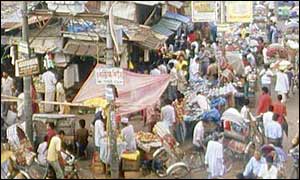 Bangladesh is 'one of the most corrupt countries in the world'
The United Nations has accused Bangladesh's state-owned telecommunications company of corruption.
It has also accused the Bangladesh Telegraph and Telephone Board of treating its complaints disrespectfully. Bangladesh has been designated by the anti-corruption pressure group Transparency International as one of the most corrupt countries in the world. It would appear that some foreign diplomats may support that description. 'Bloated bills' This is the second time in the last six months that senior foreign diplomats have complained about corruption here. The latest to be aggrieved is the United Nations Development Programme's (UNDP) resident representative, Jorgen Lissner. He has written to the telecommunications secretary to complain about what he claims are bloated bills. Mr Lissner said that the UNDP was being charged for hundreds of overseas calls - mostly to Saudi Arabia - that were never made. Many of the calls were allegedly made through Mr Lissner's personal fax machine. The UN says that many of the foreign calls for which it has been billed since October have been made on numbers which do not exist. Embarrassment The latest allegations are bound to be embarrassing for the Bangladeshi Government. Earlier this year the Bangladeshi shipping minister was accused of corruption by diplomats at the Danish Embassy. The minister strenuously denied the charges. Outraged ministers at the time said such claims represented an extraordinary and unwelcome breach of protocol. Officials at the telecommunications company say that they are conducting an internal enquiry into the allegations, which have been dubbed by the Bangladeshi press as a 'phoney' war. In an interview with the BBC the Telecommunications Secretary, Mohammed Omar Faroq, said that the calls may have been made because UN officials failed to lock telephones properly outside office hours. Mr Faroq also said that the company always advises owners of direct dial international telephones to ensure that they can only be used by authorized personnel. | | See also:  14 Apr 02 | South Asia 31 Jan 02 | Africa 01 Jul 02 | Business 08 Jan 02 | South Asia 30 Dec 01 | South Asia 11 Dec 01 | South Asia 25 Jun 02 | Country profiles Internet links: The BBC is not responsible for the content of external internet sites Top South Asia stories now: Links to more South Asia stories are at the foot of the page. | |||||||||||||||||||||||||||||||||||||||||||||||||||||||||||||||||||||||||||||||||||||||||||||||||||||||||||||||||||||||||||||||||||||||||||||||||||||||||||||||||||||||
| |
|  E-mail this story to a friend E-mail this story to a friend |
| |
| Links to more South Asia stories |
| | | ||
 | ||||
 | | Back to top
| ||
| ---------------------------------------------------------------------------------- To BBC Sport>> | To BBC Weather>> | To BBC World Service>> ---------------------------------------------------------------------------------- © MMIII | News Sources | Privacy |