|
 |
 | | | | | | ||||||||||||||||||||||||||||||||||||||||||||||||||||||||||||||||||||||||||||||||||||||||||||||||||||||||||||||||||||||||||||||||||||||||||||||||||||||||||||||||||||||||||
| | | You are in: South Asia | ||||||||||||||||||||||||||||||||||||||||||||||||||||||||||||||||||||||||||||||||||||||||||||||||||||||||||||||||||||||||||||||||||||||||||||||||||||||||||||||||||||||||||||
|
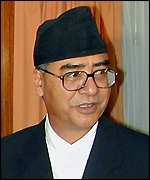
| | Thursday, 27 June, 2002, 13:26 GMT 14:26 UK Nepal journalist 'tortured to death' Mr Sen was accused of supporting the Maoists A human rights group has called on the Nepalese Government to investigate the case of a journalist who reportedly died under torture by the security forces.
RSF said Mr Sen had been tortured to force him to confess to contacts with rebel leaders and that his body was handed over to his family for cremation. There has been no firm reaction from the government to Mr Sen's death nor to the anger his death appears to have generated. Maoist rebels have been fighting to overthrow Nepal's monarchy for the past six years. Maoist support In a letter to the Nepalese Prime Minster Sher Bahadur Deuba, RSF General Secretary Robert M�nard says the organisation was very shocked by reports of Mr Sen's death.
"The death of a journalist under torture, even if the latter supported the Maoist movement, can in no way be justified by antiterrorist war", he says. The BBC's Daniel Lak in Kathmandu says the case has brought about rare unity among Nepal's various journalists' groups and newspapers. He says even journalists traditionally close to the government are demanding to know what happened to this veteran pro-Maoist editor, and how he died. The Federation of Nepalese Journalists has already called on the government to give information about Mr Sen. The federation's chairman, Bishnu Nisthuri, said government officials had been avoiding them. Krishna Sen was released from two years' detention in March last year. The authorities jailed him on charges of having published an interview with the leader of the rebel movement, Baburam Bhattarai. Rights concerns The human rights group Amnesty International has voiced concern that Nepal is facing a human rights crisis because of the escalating conflict between the government and the rebels. In a report issued in April, it said both sides engaged in abductions, torture and unlawful killing. The situation has become particularly bad after a state of emergency was imposed in November, restricting freedom of expression. Some 4,000 people are believed to have been killed in the insurgency since it began. | |
See also:  19 Jun 02 | South Asia 19 Jun 02 | South Asia 14 Jun 02 | South Asia 27 May 02 | South Asia 23 Apr 02 | Country profiles Internet links: The BBC is not responsible for the content of external internet sites Top South Asia stories now: Links to more South Asia stories are at the foot of the page. | ||||||||||||||||||||||||||||||||||||||||||||||||||||||||||||||||||||||||||||||||||||||||||||||||||||||||||||||||||||||||||||||||||||||||||||||||||||||||||||||||||||||||||
| |
|  E-mail this story to a friend E-mail this story to a friend |
| |
| Links to more South Asia stories |
| | | ||
 | ||||
 | | Back to top
| ||
| ---------------------------------------------------------------------------------- To BBC Sport>> | To BBC Weather>> | To BBC World Service>> ---------------------------------------------------------------------------------- © MMIII | News Sources | Privacy |