|
 |
 | | | | | | |||||||||||||||||||||||||||||||||||||||||||||||||||||||||||||||||||||||||||||||||||||||||||||||||||||||||||||||||||||||||||||||||||||||||||||||||||||||||||||||||||||||||||||||||||
| | | You are in: South Asia | |||||||||||||||||||||||||||||||||||||||||||||||||||||||||||||||||||||||||||||||||||||||||||||||||||||||||||||||||||||||||||||||||||||||||||||||||||||||||||||||||||||||||||||||||||||
|
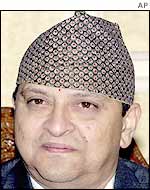
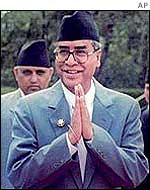
| | Thursday, 23 May, 2002, 10:13 GMT 11:13 UK Nepal's political woes Senior political figures are considering their next move
Nepal is facing a deepening political crisis flowing from the split in the Nepali Congress party over Prime Minister Sher Bahadur Deuba's decision to dissolve parliament and call early elections, and the stalemate that has resulted.
The ruling party under its President, former Prime Minister GP Koirala, expelled Mr Deuba for defying its order to withdraw a bill extending a state of emergency whose provisions were used to deploy the army against Maoist rebels. But Mr Deuba's supporters in the 1,500-strong electoral college met in mid-June, expelling Mr Koirala and electing Mr Deuba as the new party president, effectively splitting the party. Ultimately, Nepal's Election Commission would have to decide which faction represented the "real" Nepali Congress, and until then, party ranks must struggle to decide whom to support. Political observers believe that with the party split down the before elections scheduled for November, the prospects for the Nepali Congress can not be very bright. Political flux There are also questions about the constitutional status of Mr Deuba, potentially threatening the November elections themselves.
The communist opposition has, in the meanwhile, recently reunited after four years, consolidating its own support. The prospect of a leftist victory at a time when the army is engaged in a bloody campaign against Maoist rebels fighting for the establishment of a communist republic is worrying Nepal's elite. The ailing former Prime Minister KP Bhattarai, the only surviving founder of the Nepali Congress, has said he would not allow the party to split as long as he lives, but the rifts seem as wide as ever. Uncertain future Mr Deuba wanted the state of emergency to be extended to enable the campaign against the rebels to continue while his critics said existing laws were enough to fight the Maoists and that the government was abusing its emergency powers.
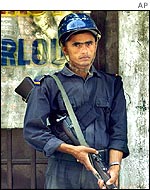
Since the imposition of the emergency, security forces have struck back at the rebels, claiming to have inflicted heavy casualties although these claims can not be independently verified. Estimates of the number of those killed in six years of insurgency hover between 4,000 and 5,000, with over a half dying since November. Complicating the picture have been fears that given the current uncertainties, the monarchy could take back the powers it handed over in 1990. The King has assured his subjects that he is determined to maintain Nepal's constitutional monarchy and will support the democratic system. However, given the state of flux in which Nepalese politics finds itself, observers say they can not be sure how secure the democratic system itself is. | |
See also:  22 May 02 | South Asia 20 May 02 | South Asia 11 May 02 | South Asia Internet links: The BBC is not responsible for the content of external internet sites Top South Asia stories now: Links to more South Asia stories are at the foot of the page. | |||||||||||||||||||||||||||||||||||||||||||||||||||||||||||||||||||||||||||||||||||||||||||||||||||||||||||||||||||||||||||||||||||||||||||||||||||||||||||||||||||||||||||||||||||
| |
|  E-mail this story to a friend E-mail this story to a friend |
| |
| Links to more South Asia stories |
| | | ||
 | ||||
 | | Back to top
| ||
| ---------------------------------------------------------------------------------- To BBC Sport>> | To BBC Weather>> | To BBC World Service>> ---------------------------------------------------------------------------------- © MMIII | News Sources | Privacy |