
|
 |
 | | | | | | ||||||||||||||||||||||||||||||||||||||||||||||||||||||||||||||||||||||||||||||||||||||||||||||||||||||||||||||||||||||||||||||||||||||||||||||||||||||
| | | You are in: Science/Nature | ||||||||||||||||||||||||||||||||||||||||||||||||||||||||||||||||||||||||||||||||||||||||||||||||||||||||||||||||||||||||||||||||||||||||||||||||||||||||
|
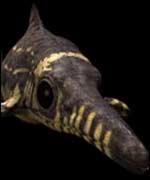
| | Thursday, 6 February, 2003, 15:04 GMT Sea monster with a toothache  Ichthyosaurs died out 90 million years ago It was a time of giant beasts - but sometimes the smallest clues reveal what life was like in the era of dinosaurs.
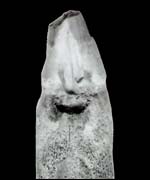
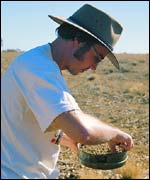
As the young sea creature swam through the prehistoric sea, it probably felt a slight pain in its mouth - a toothache. Things went from bad to worse when the juvenile ichthyosaur became sick or was attacked, and was left for dead on the seabed. Nearly 110 million years later its fossilised skeleton has been found in Queensland, Australia, and that tiny tooth has become a vital clue for scientists. Palaeontologist Ben Kear says the tooth decay is providing information about the creature's eating habits.
"More often than not, it is the tiniest fossil or part of a fossil that yields some of the most interesting information," he said. "A monstrous bone might give you clues about the general shape of an animal, but to really get down to the details of its palaeobiology you have to take a more holistic approach. "The discovery of dental caries (cavities) in ichthyosaurs is not simply a novel find. "It provides us with invaluable clues for reconstructing aspects of behaviour and biology in an animal that has been extinct for over 90 million years and has no living descendants or even relatives." The U-shaped cavity Mr Kear discovered is just 1.83mm high and 3.97mm wide.
After studying it with an electron microscope, he has made deductions about how ichthyosaurs may have attacked their prey. "Perhaps they were more vicious when feeding than has been previously suspected, actively tearing the prey apart by shake feeding like a shark. "Such active food processing would have facilitated the entrapment of food particles between the teeth and allowed dental caries to develop." Mr Kear, based at the South Australian Museum, said the discovery of tooth decay in any fossilised reptile, such as dinosaurs or ichthyosaurs, was "almost unheard of". This is because the animals shed and replace their teeth on a regular basis. Mr Kear's research on ichthyosaur fossils have turned up other interesting findings.
For example, remains in the stomach of another specimen suggest ichthyosaurs were probably more opportunistic predators than previously suspected. "Until now it was assumed that most ichthyosaurs were primarily specialised hunters of squid and squid-like belemnites. "The near complete skeleton of our Cretaceous ichthyosaur from Queensland had no trace of squid in her preserved gut contents. "Rather she had been eating large numbers of bony fish and hatchling-sized baby turtles." This finding puts into question a theory that ichthyosaurs became extinct because of a major extinction event among the belemnites. Mr Kear said: "If Cretaceous ichthyosaurs were more opportunistic feeders as suggested by the findings in Australia, then other causes must be sought."  Killed by an ichthyosaur Palaeontologist Ben Kear describes how an ichthyosaur hunts its prey - from the perspective of a small fish: "Unfortunately you have been spotted by the keen eyes of an ichthyosaur. "This beast is a 'pursuit predator' meaning that, like a dolphin or tuna, it chases down its prey. "Once it gets within striking distance, its long, thin snout swings sideways through the water and its powerful jaws snap shut. "It effectively crushes and restrains (rather than directly impaling) you on its long rows of over 200 densely-packed, 3cm-high teeth. "The ichthyosaur then gives you a series of good shakes - its teeth dig deep and begin to tear your flesh apart. "This breaks your body up into several bite-sized chunks that the ichthyosaur swallows whole in a few quick bites. "The whole process has taken no more than minute." | | See also:  16 Jan 03 | Science/Nature 13 Dec 01 | England 16 Dec 99 | Science/Nature Internet links: The BBC is not responsible for the content of external internet sites Top Science/Nature stories now: Links to more Science/Nature stories are at the foot of the page. | ||||||||||||||||||||||||||||||||||||||||||||||||||||||||||||||||||||||||||||||||||||||||||||||||||||||||||||||||||||||||||||||||||||||||||||||||||||||
 | |
|  E-mail this story to a friend E-mail this story to a friend |
| |
| Links to more Science/Nature stories |
| | | ||
 | ||||
 | | Back to top
| ||
| ---------------------------------------------------------------------------------- To BBC Sport>> | To BBC Weather>> | To BBC World Service>> ---------------------------------------------------------------------------------- © MMIII | News Sources | Privacy |






 More often than not, it is the tiniest fossil or part of a fossil that yields some of the most interesting information