|
 |
 | | | | | | |||||||||||||||||||||||||||||||||||||||||||||||||||||||||||||||||||||||||||||||||||||||||||||||||||||||||||||||||||||||||||||||||||||||
| | | You are in: Science/Nature | |||||||||||||||||||||||||||||||||||||||||||||||||||||||||||||||||||||||||||||||||||||||||||||||||||||||||||||||||||||||||||||||||||||||||
|
| | Monday, 18 November, 2002, 11:37 GMT Otters return to city waterways 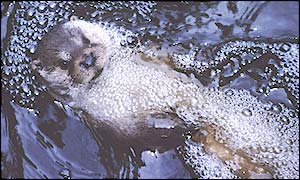 Water quality is improving (Image by Derek Moore) Otters have been making a return to waterways in more than 100 towns across the UK for the first time in almost 30 years. Experts from The Wildlife Trusts say otter numbers had been rising in rural areas, but until recently they had not ventured to within around 15 or 30 kilometres (10 or 20 miles) of major urban areas.
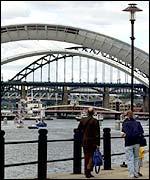
The Wildlife Trusts said movement of otters into urban areas generally reflected improvements in water quality and increases in available food. It also points to rising otter numbers and the animals extending their travelling range in some areas of the UK. Thirteen urban areas, including Newcastle, have resident otters, which live and breed in the urban water courses. Other urban areas like Teesside and Cumbria are frequented by otters hunting for food. Charismatic charm Director-general of The Wildlife Trusts, Dr Simon Lyster, said the recovery of the otter was the most exciting success story of the last decade. "It is a tribute to volunteers and professionals who have worked so hard to make this recovery possible," he said.
"Important wildlife habitats can exist in urban areas and people are now more likely than ever to be able to catch a glimpse of one of the UK's most charismatic creatures." But the recovery of the urban otter is not guaranteed and campaigners are concerned by the number of deaths on riverside roads. Most riverside building work and development does not make any allowance for the possible presence of otters. The trusts are calling for local planning authorities, developers and builders to consider the needs of otters when developing along urban waterways. Road deaths They need suitable breeding habitat and resting sites, normally sheltered vegetation and gently sloping riverbanks. Campaigners want designers to consider features such as ledges within bridge arches for otters to travel across, stationary or floating resting platforms, underpasses combined with otter fencing alongside road edges and a drop-weir scheme where boulders or steps guide the otter down weirs. Brian Lavelle, Yorkshire Wildlife Trust's Water for Wildlife Officer, said: "While this appears to be good news there is no room for complacency. Otters still suffer from a lack of good riverbank habitat due to building development, pollution and death through road accident." Otters have made a dramatic comeback in recent years after virtual extinction in the 1960s. Their decline was linked to pollution, farm pesticides, and destruction of habitat. The gradual return began with the phasing out of chlorinated hydrocarbon pesticides which, with other chemicals, built up in fish - the otter's main prey In 1998, the government set a target of restoring otters to all UK rivers by 2010. | | See also:  10 Apr 02 | England 23 Jul 02 | Wales 14 Aug 01 | UK 26 Jun 01 | Science/Nature Internet links: The BBC is not responsible for the content of external internet sites Top Science/Nature stories now: Links to more Science/Nature stories are at the foot of the page. | |||||||||||||||||||||||||||||||||||||||||||||||||||||||||||||||||||||||||||||||||||||||||||||||||||||||||||||||||||||||||||||||||||||||
| |
|  E-mail this story to a friend E-mail this story to a friend |
| |
| Links to more Science/Nature stories |
| | | ||
 | ||||
 | | Back to top
| ||
| ---------------------------------------------------------------------------------- To BBC Sport>> | To BBC Weather>> | To BBC World Service>> ---------------------------------------------------------------------------------- © MMIII | News Sources | Privacy |