
|
 |
 | | | | | | ||||||||||||||||||||||||||||||||||||||||||||||||||||||||||||||||||||||||||||||||||||||||||||||||||||||||||||||||||||||||||||||||||||||
| | | You are in: Science/Nature | ||||||||||||||||||||||||||||||||||||||||||||||||||||||||||||||||||||||||||||||||||||||||||||||||||||||||||||||||||||||||||||||||||||||||
|
| | Friday, 15 November, 2002, 17:02 GMT Protection for sharks 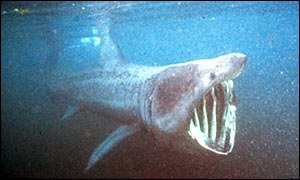 UK scientists are now tagging basking sharks The UK Government has succeeded in getting international protection for the largest shark to be found in British waters. The basking shark has been added to the list of protected creatures at a meeting of the Convention on the Trade in Endangered Species (Cites) in Chile.
The convention also agreed to give similar protection to the world's biggest fish, the whale shark. Both species have been threatened by the worldwide market for shark fin soup. A vote at the end of the meeting in Santiago overturned a decision earlier in the week rejecting the proposal to give the fish better protection. Prized trophy The UK's nature protection minister Elliot Morley said he was absolutely delighted that Britain had finally got the support needed "to protect these gentle giants". "Taking action now is vital," he said. "Basking sharks have a slow growth rate and a low-birth rate which makes them particularly vulnerable to over exploitation. "Cites is all about sustainable use of the world's natural resources - and that is exactly what we have achieved with the success of this proposal." Basking sharks are threatened by hunters who can sell their two-metre-long fins for as much as $15,000 as trophies in restaurants and the homes of the wealthy, primarily in Asia. Click here for BBC Nature facts about basking sharks. Although the animal is protected in UK waters, other parts of the world have, until now, given it no special status. The UK proposal presented to the Cites meeting initially received 72 votes in favour and 38 against - just two votes short of the necessary two-thirds majority required for proposals to be accepted. Much to learn The Cites committee stage also rejected a similar motion to give better protection to the whale shark. Convention delegates voted 62-34 in favour of a bid put forward by India and the Philippines to tighten trade in the species, but, again, this result fell short of the two-thirds majority needed to get it through. It was only after some hard negotiation that the earlier decisions were reversed in the plenary session at the end of the Cites meeting. Scientists confess they have much to learn about both the basking and the whale shark. The basking shark can grow up to 10 metres long, and weighs between five and seven tonnes. It feeds only on plankton, which it catches by filtering about 2,000 cubic metres of water an hour through its gill rakers. Whale sharks are also docile plankton feeders but inhabit warmer waters. They can grow up to 20 metres in length and can migrate as far as 20,000 km at a time. UK scientists have started tagging basking sharks to find out more about these creatures' lives. | | See also:  13 Nov 02 | Science/Nature 10 Sep 02 | Leicester 2002 25 Feb 01 | Science/Nature Internet links: The BBC is not responsible for the content of external internet sites Top Science/Nature stories now: Links to more Science/Nature stories are at the foot of the page. | ||||||||||||||||||||||||||||||||||||||||||||||||||||||||||||||||||||||||||||||||||||||||||||||||||||||||||||||||||||||||||||||||||||||
| |
|  E-mail this story to a friend E-mail this story to a friend |
| |
| Links to more Science/Nature stories |
| | | ||
 | ||||
 | | Back to top
| ||
| ---------------------------------------------------------------------------------- To BBC Sport>> | To BBC Weather>> | To BBC World Service>> ---------------------------------------------------------------------------------- © MMIII | News Sources | Privacy |





