|
 |
 | | | | | | ||||||||||||||||||||||||||||||||||||||||||||||||||||||||||||||||||||||||||||||||||||||||||||||||||||||||||||||||||||||||||||||||||||||||||||||||||||||||||||||||||||||||||||||||||||||||||||||||||||||||||||
| | | You are in: Science/Nature | ||||||||||||||||||||||||||||||||||||||||||||||||||||||||||||||||||||||||||||||||||||||||||||||||||||||||||||||||||||||||||||||||||||||||||||||||||||||||||||||||||||||||||||||||||||||||||||||||||||||||||||||
|
| | Monday, 7 October, 2002, 23:35 GMT 00:35 UK Species face tough fight for survival 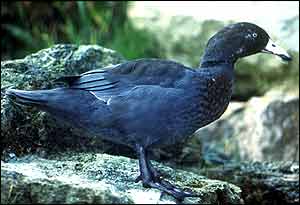 New Zealand's blue duck: Predators and habitat loss mean rapid decline (Image: Jonathan Leach/WWT)
Its updated Red List of Threatened Species says more than 11,000 creatures now face extinction. But two, an insect and a rodent, previously thought extinct, have been rediscovered. Since the last edition of the list two years ago, over 400 new species have been assessed. Dramatic decline Of these, 124 have joined one of the threatened categories: critically endangered (CR), endangered (EN), or vulnerable (VU). IUCN (also known as the World Conservation Union) says 11,167 species are now threatened with extinction, 121 more than in 2000.
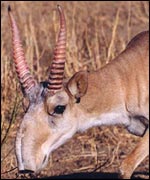
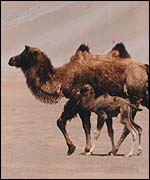
It has suffered a major decline in the last decade, poached for both its meat and its horns, which are exported for use in traditional medicine. In 1993 the total population was estimated at over one million: by 2000 this had fallen to fewer than 200,000. Scientists believe under 50,000 animals now remain in the wild. Habitat fragmentation IUCN's director general, Achim Steiner, told BBC News Online: "This rate of loss is unsustainable. If nothing is done, the saiga is doomed to extinction in one or two decades." Another species, the wild Bactrian camel, is hunted partly because it competes with domestic camels and livestock for water and grazing, but also for sport.
The plight of the third, the Iberian lynx, is dire: it may be the first wild cat to become extinct for at least 2,000 years. Fewer than half the 1,200 individuals recorded 10 years ago now survive. The lynx lives in Mediterranean woodland, where habitat fragmentation by farming and industrial development means it now survives only in scattered groups in south-west Spain and Portugal. Higher listing The two species rediscovered after being listed as extinct are the Lord Howe Island stick insect, an Australian species, and the Bavarian pine vole, from Germany. Other species of concern include:
IUCN has upgraded several species to a higher threat category, because it now judges them more vulnerable. They include three birds: the Titicaca flightless grebe, the black-browed albatross, and the blue duck of New Zealand. In 2000, 5,611 plants were assessed as threatened. With the addition of Mexican and Brazilian cactus assessments, the figure is now 5,714.
The 2000 Red List said the extinction crisis was as bad as many people feared, with some "dramatic" population declines. Achim Steiner told BBC News Online: "This update reaffirms the basic trends identified then. "It is a very serious situation indeed - it's a severe warning that we have no reason to say things are turning round. "The resources we have to compile the list are absolutely inadequate. It is people like birdwatchers and other nature lovers who generate an enormous amount of data voluntarily that are the heart and soul of the conservation movement. "And there are the people in places like Africa who have no binoculars, but use wildlife every day. We count on them too." | |
See also:  17 Sep 02 | Africa 30 Aug 02 | Africa 01 Aug 02 | Science/Nature 28 Sep 00 | Science/Nature 10 Aug 00 | Science/Nature Internet links: The BBC is not responsible for the content of external internet sites Top Science/Nature stories now: Links to more Science/Nature stories are at the foot of the page. | ||||||||||||||||||||||||||||||||||||||||||||||||||||||||||||||||||||||||||||||||||||||||||||||||||||||||||||||||||||||||||||||||||||||||||||||||||||||||||||||||||||||||||||||||||||||||||||||||||||||||||||
| |
|  E-mail this story to a friend E-mail this story to a friend |
| |
| Links to more Science/Nature stories |
| | | ||
 | ||||
 | | Back to top
| ||
| ---------------------------------------------------------------------------------- To BBC Sport>> | To BBC Weather>> | To BBC World Service>> ---------------------------------------------------------------------------------- © MMIII | News Sources | Privacy |