|
 |
 | | | | | | ||||||||||||||||||||||||||||||||||||||||||||||||||||||||||||||||||||||||||||||||||||||||||||||||||||||||||||||||||||||||||||||||||||||||||||||||
| | | You are in: Science/Nature | ||||||||||||||||||||||||||||||||||||||||||||||||||||||||||||||||||||||||||||||||||||||||||||||||||||||||||||||||||||||||||||||||||||||||||||||||||
|
| | Thursday, 5 September, 2002, 08:31 GMT 09:31 UK Telescope to be built at South Pole 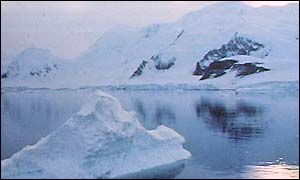 The cold, dry skies of Antarctica are ideal
Built on the site of a US research station, it will take advantage of Antarctica's clear, dry skies.
The telescope will search the sky for evidence of the dark energy that is thought to drive the accelerating expansion of the Universe. "We are going to look for the tug-of-war between gravity and dark energy," said the University of Chicago's John Carlstrom, who heads the project. Expansion rate Nobody knows what dark energy is but it is thought to account for the fact that the Universe is expanding ever faster. The early Universe was very dense. Matter was close together and gravitational attraction was strong. But as the Universe expanded, matter got further apart and its density dropped.
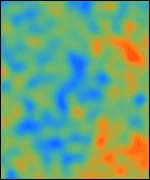
It overwhelmed ordinary gravity, and started to speed up the expansion of the Universe. Dark energy is invisible but the South Pole Telescope should be able to see its influence on clusters of galaxies that formed and evolved within the last few billion years. It will do this with the biggest ever array of heat detectors, known as bolometers, which can measure temperature differences in the sky to 10 millionths of a degree. "With this new telescope we should be able to map large sections of the sky more than a 1,000 times faster than we can do now," said Carlstrom. Cosmological constant The dark energy may be what Albert Einstein called a cosmological constant. The US team says it should be able to confirm or disprove this by the end of the first year of operation of the South Pole Telescope. "That's not an unreasonable goal," Professor George Efstathiou of Cambridge University's Institute of Astronomy, UK, told BBC News Online. "It's a very good way of probing the distant Universe." Dark matter image courtesy of John Carlstrom, University of Chicago. | | See also:  23 Aug 02 | Science/Nature 31 Jul 02 | Europe 13 Jun 02 | Science/Nature 30 May 02 | Science/Nature 24 Apr 02 | Science/Nature Internet links: The BBC is not responsible for the content of external internet sites Top Science/Nature stories now: Links to more Science/Nature stories are at the foot of the page. | ||||||||||||||||||||||||||||||||||||||||||||||||||||||||||||||||||||||||||||||||||||||||||||||||||||||||||||||||||||||||||||||||||||||||||||||||
| |
|  E-mail this story to a friend E-mail this story to a friend |
| |
| Links to more Science/Nature stories |
| | | ||
 | ||||
 | | Back to top
| ||
| ---------------------------------------------------------------------------------- To BBC Sport>> | To BBC Weather>> | To BBC World Service>> ---------------------------------------------------------------------------------- © MMIII | News Sources | Privacy |