|
 |
 | | | | | | |||||||||||||||||||||||||||||||||||||||||||||||||||||||||||||||||||||||||||||||||||||||||||||||||||||||||||||||||||||||||||||||||||||
| | | You are in: Science/Nature | |||||||||||||||||||||||||||||||||||||||||||||||||||||||||||||||||||||||||||||||||||||||||||||||||||||||||||||||||||||||||||||||||||||||
|
| | Thursday, 18 July, 2002, 09:58 GMT 10:58 UK Barcodes get smart 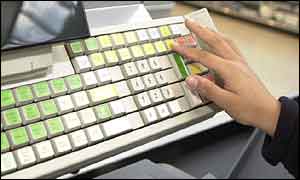 Radio barcodes could mean the end of check-outs The goods on supermarket shelves are about to get a lot smarter. The University of Cambridge, UK, has just opened a centre dedicated to researching smart labelling systems that can hold much more information than the humble barcode. The centre is working on AutoID systems, using tags fitted with radio links that can transmit data. If widely used, the tags could help large companies speed up production lines and fine tune their supply chains. Speed reading Barcodes have proved enormously useful to almost every business since they were first invented more than 25 years ago. However the big problem with barcodes is that they have to be scanned with a reader to find out the information they contain.
Currently any warehouse wanting to check deliveries has to unload lorries and go through pallets of supplies one-by-one. If all the boxes, cases and pallets were fitted with radio tags, the whole truck could be checked in a few moments as each box would report its contents automatically. The technology magazine, Computing, speculates that the radio tags could remove the need to have check-out desks at supermarkets, could see the arrival of ice-cream that tells your fridge the temperature is too high or jars that warn you when they are out of date. Smart and cheap The AutoID centre at Cambridge, and its partner institution at the Massachusetts Institute of Technology, is refining the tag system and the language it would use to swap information with reading devices or household appliances. The work of the centre is sponsored by Coca-Cola, Johnson & Johnson, Unilever, Tesco and Wal-Mart. Smart tags that use radio to swap information already exist and Unilever is trialling them in its supply chain. The centre is still working on ways to make the Auto ID technology cheap enough for mass use. The researchers say the chips and gadgets that read them need to cost three pence and �65 respectively. Currently they are a long way off that. The readers that interrogate the smart labels currently cost around �1,400 and the labels 65p each. But the researchers believe that once the smart tags are widely used economies of scale will rapidly bring the price down. | | See also:  11 Jul 02 | Health 16 Feb 02 | Science/Nature 08 Jun 00 | Science/Nature 17 May 00 | Science/Nature 30 Apr 02 | UK 31 May 01 | Science/Nature Internet links: The BBC is not responsible for the content of external internet sites Top Science/Nature stories now: Links to more Science/Nature stories are at the foot of the page. | |||||||||||||||||||||||||||||||||||||||||||||||||||||||||||||||||||||||||||||||||||||||||||||||||||||||||||||||||||||||||||||||||||||
| |
|  E-mail this story to a friend E-mail this story to a friend |
| |
| Links to more Science/Nature stories |
| | | ||
 | ||||
 | | Back to top
| ||
| ---------------------------------------------------------------------------------- To BBC Sport>> | To BBC Weather>> | To BBC World Service>> ---------------------------------------------------------------------------------- © MMIII | News Sources | Privacy |